Self-Producing Factory-Professional Manufacturer



Exploring the Different Types of Industrial Brushes for Various Applications
Dec 07,2025
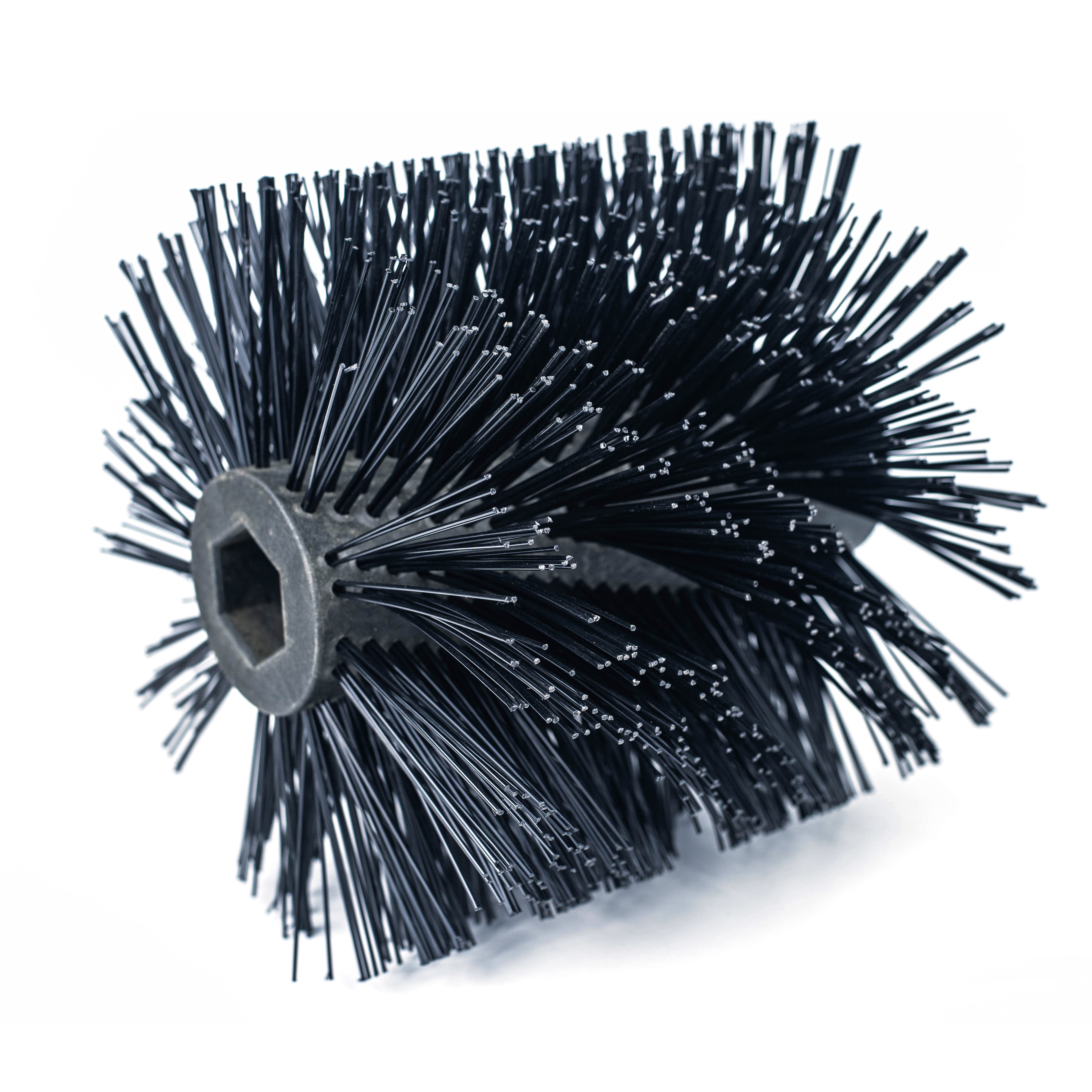
Exploring the Different Types of Industrial Brushes for Various Applications
Table of Contents
- 1. Introduction to Industrial Brushes
- 2. Types of Industrial Brushes
- 3. Applications of Industrial Brushes
- 4. How to Select the Right Industrial Brush
- 5. Maintenance Tips for Industrial Brushes
- 6. Frequently Asked Questions
- 7. Conclusion
1. Introduction to Industrial Brushes
Industrial brushes are vital tools in various manufacturing processes and maintenance routines. Their versatility makes them essential for a myriad of applications, from cleaning to finishing surfaces and applying coatings. Understanding the different types of industrial brushes and their specific uses can significantly enhance productivity and efficiency in any operation.
In this article, we will explore the various types of industrial brushes, their applications across different industries, and provide guidance on how to choose the right brush for your needs.
2. Types of Industrial Brushes
When selecting an industrial brush, it is crucial to understand the materials used and the specific applications for which each type is best suited. Below, we detail the most common types of industrial brushes:
2.1 Nylon Brushes
Nylon brushes are renowned for their durability and resistance to various chemicals, making them perfect for cleaning and surface preparation tasks. They are often used in automotive and manufacturing industries due to their ability to withstand harsh conditions. The flexibility of nylon bristles allows for effective cleaning on uneven surfaces without damaging the underlying material.
2.2 Wire Brushes
Wire brushes are commonly employed for heavy-duty applications, including rust removal and surface preparation prior to painting. They are made from steel or stainless steel wires, providing excellent abrasion and longevity. However, care must be taken when using wire brushes on softer materials, as they can cause scratching or damage.
2.3 Polyester Brushes
Polyester brushes are ideal for applications requiring a balance between flexibility and firmness. They are resistant to chemical degradation and are often used in the cleaning of delicate surfaces. These brushes can handle intricate tasks, such as cleaning electronic components and machinery parts.
2.4 Sisal Brushes
Sisal brushes are made from natural fibers, offering a more environmentally friendly option. They are effective for scrubbing surfaces and are often used in the food industry for cleaning equipment. Their natural composition allows for effective cleaning without the risk of contaminating food products.
2.5 Cotton Brushes
Cotton brushes are primarily used for polishing applications and delicate cleaning tasks. The softness of cotton bristles makes them suitable for automotive finishes and other surfaces requiring a gentle touch. They are often used in conjunction with polishing compounds to achieve a high-gloss finish.
3. Applications of Industrial Brushes
The diverse range of industrial brushes allows them to be employed in numerous applications across various industries. Here, we outline some of the most common applications:
3.1 Cleaning Solutions
Industrial brushes are essential for cleaning tasks, ranging from surface dirt and grime removal to more complex applications like degreasing. Using the right type of brush for the job ensures thorough cleaning without damaging the surface.
3.2 Surface Finishing
Surface finishing is another critical application for industrial brushes. They are used to prepare surfaces for painting or coating, ensuring that the material is smooth and free from contaminants. This process is vital in industries such as automotive and aerospace, where precision is key.
3.3 Coating Applications
Coating applications, including the application of paints and sealants, benefit significantly from industrial brushes. Specific brushes are designed to hold and distribute coatings evenly, allowing for a smooth application that enhances the final product's durability.
3.4 Polishing Techniques
Polishing is a delicate task that requires specialized brushes to achieve the desired finish. Industrial brushes made from soft materials are ideal for this process, as they help to eliminate surface imperfections without marring the underlying material.
4. How to Select the Right Industrial Brush
Choosing the right industrial brush is crucial for achieving optimal results in your applications. Here are several factors to consider:
1. **Material Type**: Identify the material that the brush will be used on. For instance, softer brushes are better for delicate surfaces, while stiffer brushes are suitable for heavy-duty cleaning.
2. **Brush Shape**: The shape of the brush can impact its effectiveness. Consider whether a cylindrical, flat, or disk brush will best suit your needs.
3. **Bristle Density**: Brushes with denser bristles generally provide a more aggressive cleaning action, while less dense bristles are better for gentler applications.
4. **Application Requirements**: Assess the specific requirements of your task. Cleaning, polishing, and surface preparation all require different types of brushes, so select accordingly.
5. **Durability and Longevity**: Consider the environment in which the brush will be used. Brushes exposed to chemicals or harsh conditions need to be made from more durable materials.
5. Maintenance Tips for Industrial Brushes
Proper maintenance of industrial brushes not only prolongs their life but also ensures they perform optimally. Here are some maintenance tips:
1. **Regular Cleaning**: After each use, clean brushes to remove debris and contaminants. For brushes used with chemicals, ensure they are rinsed thoroughly.
2. **Storage Conditions**: Store brushes in a dry, cool place to prevent damage to the bristles. Avoid storing them in direct sunlight or damp areas.
3. **Inspect for Damage**: Regularly inspect brushes for signs of wear or damage. Replace any brushes that are worn out to maintain efficacy.
4. **Proper Handling**: Use brushes according to manufacturer guidelines. Avoid excessive force, which can damage bristles and reduce effectiveness.
6. Frequently Asked Questions
1. What materials are commonly used in industrial brushes?
Industrial brushes can be made from various materials, including nylon, wire, polyester, sisal, and cotton, each suited for specific applications.
2. How do I know which industrial brush to use for my application?
Selecting the right brush depends on the material you are working with, the type of application (cleaning, polishing, etc.), and the required durability.
3. Can industrial brushes be used for both cleaning and polishing?
Yes, certain brushes can serve dual purposes. However, it is advisable to use specialized brushes for specific tasks to achieve the best results.
4. How can I maintain the longevity of my industrial brushes?
Regular cleaning, proper storage, and routine inspections are essential for maintaining the longevity and effectiveness of industrial brushes.
5. Where can I purchase industrial brushes?
Industrial brushes can be purchased from various suppliers, including specialty tool retailers, online marketplaces, and directly from manufacturers.
7. Conclusion
In summary, industrial brushes are indispensable tools across various industries, providing solutions for cleaning, surface finishing, and polishing. Understanding the different types of brushes and their applications allows for more informed decisions in selecting the right tool for specific tasks. By adhering to proper maintenance practices, you can ensure the longevity and effectiveness of your industrial brushes, ultimately enhancing your operational efficiency. Whether you are in manufacturing, automotive, or any other field requiring precision and care, selecting the right brush is key to achieving outstanding results.
Hot Tags:

Contact Us
CEO: Alan
Email: alan@virostech.com
Phone: +86-15215693689
Sales Manager: Edith
Email: Edith@virostech.com
Phone: +86-15215693689
Lianxin Brush Industry
CEO : Alan
Sales Manager: Edith





REQUEST QUOTE
Please pay attention to your email.