Self-Producing Factory-Professional Manufacturer



The Future of Industrial Brushes: Unveiling Essential Trends and Innovations
Sep 26,2026
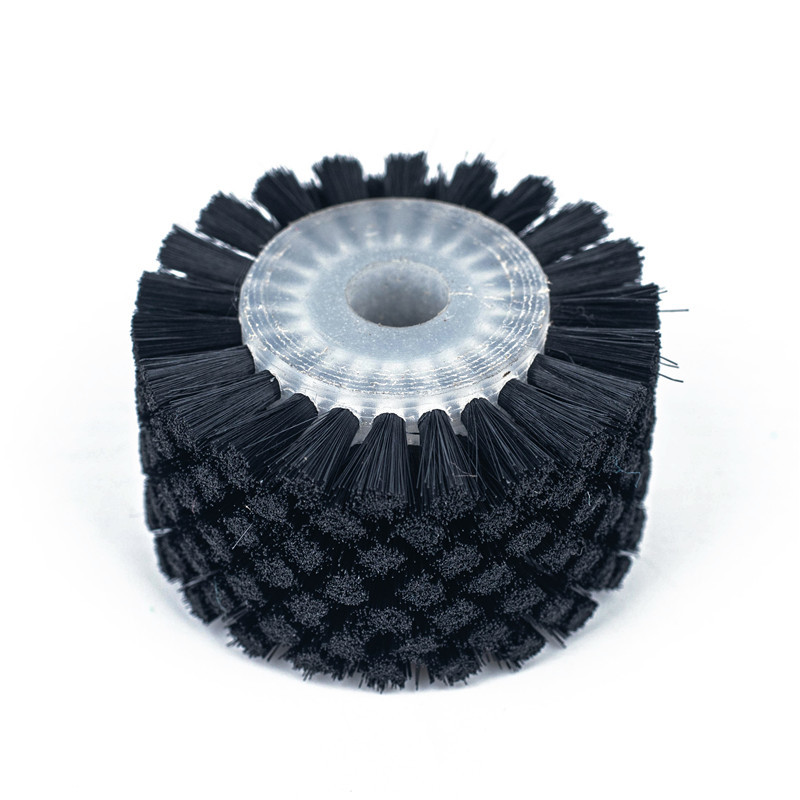
The Future of Industrial Brushes: Trends You Need to Know
Table of Contents
- 1. Introduction to Industrial Brushes
- 2. Understanding Industrial Brushes: Types and Applications
- 3. Emerging Trends in Industrial Brushes
- 3.1. Sustainability in Brush Manufacturing
- 3.2. Automation and Smart Technologies
- 3.3. Customization and Personalization Trends
- 4. Technological Advancements in Brush Production
- 5. Applications and Industries Utilizing Industrial Brushes
- 6. Challenges Facing the Industrial Brush Industry
- 7. The Future Outlook for Industrial Brushes
- 8. FAQs About Industrial Brushes
- 9. Conclusion
1. Introduction to Industrial Brushes
In the realm of manufacturing and machining, **industrial brushes** play a pivotal role in various processes, including cleaning, finishing, and surface preparation. These tools are integral to ensuring high-quality outputs in diverse sectors, from automotive to aerospace. As industries evolve, so do the brushes that serve them. Understanding the current and future trends in industrial brushes is essential for manufacturers aiming to enhance their operational efficiency and product quality.
2. Understanding Industrial Brushes: Types and Applications
Industrial brushes come in various types, each designed for specific applications. The most common forms include:
2.1. Types of Industrial Brushes
- **Wire Brushes**: Often used for heavy-duty applications, these brushes are made with metal wires to remove rust, scale, and debris.
- **Nylon Brushes**: Versatile and gentle on surfaces, nylon brushes are perfect for cleaning and polishing delicate materials.
- **Sponge and Foam Brushes**: Ideal for applying coatings and finishing, these brushes are designed to provide a smooth application without streaking.
2.2. Applications of Industrial Brushes
Industrial brushes find applications in various sectors, such as:
- **Automotive Manufacturing**: Used for cleaning surfaces before painting and finishing.
- **Food Processing**: Essential for maintaining hygiene, these brushes clean equipment and surfaces safely.
- **Aerospace Industry**: Critical for precision cleaning and finishing of components.
3. Emerging Trends in Industrial Brushes
As industries adapt to new challenges and technologies, several trends are shaping the future of industrial brushes.
3.1. Sustainability in Brush Manufacturing
With growing environmental concerns, sustainability has become a significant focus in brush manufacturing. Companies are now exploring eco-friendly materials, such as biodegradable fibers and recycled plastics, to reduce their carbon footprint. Moreover, manufacturers are adopting sustainable production processes that minimize waste and energy consumption.
3.2. Automation and Smart Technologies
The integration of automation in brush manufacturing is revolutionizing the industry. Smart technologies, including robotics and IoT (Internet of Things), are enhancing precision and efficiency. Automated systems can monitor brush production, ensuring consistent quality and reducing labor costs. This shift towards automation allows manufacturers to respond swiftly to market demands.
3.3. Customization and Personalization Trends
As industries seek tailored solutions, the demand for customized industrial brushes is on the rise. Manufacturers are increasingly offering bespoke designs that cater to specific application needs. This trend not only enhances operational efficiency but also improves customer satisfaction, as businesses can utilize brushes that are optimized for their unique processes.
4. Technological Advancements in Brush Production
Technological innovations are at the forefront of shaping the future of industrial brushes. Advanced manufacturing techniques, such as 3D printing and CNC machining, are enabling the creation of complex brush designs that were previously unattainable. These technologies allow for greater flexibility in production, facilitating rapid prototyping and reducing lead times.
Additionally, the use of artificial intelligence (AI) in quality control processes ensures that brushes meet stringent standards before reaching the market. This integration of technology not only enhances the quality of industrial brushes but also streamlines the manufacturing workflow.
5. Applications and Industries Utilizing Industrial Brushes
The applicability of industrial brushes spans various sectors, each with its unique requirements.
5.1. Automotive Sector
In the automotive industry, brushes are essential for surface preparation, cleaning, and painting processes. They are used to ensure that surfaces are free from contaminants, promoting adhesion and finish quality.
5.2. Aerospace Industry
The aerospace sector demands the highest precision and cleanliness standards. Industrial brushes are crucial for maintaining components, ensuring that they meet safety regulations and performance benchmarks.
5.3. Electronics Manufacturing
In electronics, brushes are utilized to clean delicate components and assemblies, preventing dust and debris from affecting performance. Specialized brushes designed for static-sensitive environments are increasingly in demand.
6. Challenges Facing the Industrial Brush Industry
Despite the advancements and trends, the industrial brush industry faces several challenges that must be addressed.
6.1. Material Sourcing
Sourcing high-quality materials for brush production can be a challenge, especially with the increasing demand for sustainable options. Manufacturers must establish reliable supply chains to ensure they can provide the necessary materials without compromising quality.
6.2. Competition and Pricing Pressures
As the market for industrial brushes becomes increasingly competitive, pricing pressures can affect profit margins. Manufacturers need to differentiate their products through innovation and quality to maintain market share.
6.3. Adapting to Rapid Technological Changes
The fast pace of technological advancement can be overwhelming for some manufacturers. Staying current with the latest technologies and integrating them into production processes is essential for maintaining a competitive edge.
7. The Future Outlook for Industrial Brushes
The future of industrial brushes is bright, with continued growth expected in various sectors. Innovations in materials and manufacturing processes will drive efficiency and sustainability. As industries increasingly prioritize customization and automation, manufacturers who adapt to these trends will thrive.
Moreover, the ongoing integration of smart technologies will revolutionize how brushes are produced and utilized, making operations more efficient and environmentally friendly.
8. FAQs About Industrial Brushes
8.1. What are industrial brushes used for?
Industrial brushes are used for cleaning, finishing, and surface preparation in manufacturing processes, particularly in automotive, aerospace, and food processing industries.
8.2. How are industrial brushes made?
Industrial brushes are typically manufactured using various materials, including metal wires, nylon, and foam, and are produced through processes like molding and assembly.
8.3. What trends are influencing the industrial brush industry?
Key trends include sustainability in production, the adoption of automation and smart technologies, and a growing demand for customized solutions.
8.4. What materials are commonly used in industrial brushes?
Common materials include metal wires, nylon, natural fibers, and foam, each chosen based on the specific application requirements.
8.5. How can companies ensure the quality of industrial brushes?
Companies can ensure quality through rigorous testing and quality control processes, often utilizing technology like AI for monitoring and evaluating production standards.
9. Conclusion
The industrial brush industry is at a pivotal point, characterized by rapid technological advancements and shifting market demands. By embracing sustainability, automation, and customization trends, manufacturers can position themselves for future success. As we move forward, staying informed about these developments will be crucial for any business seeking to leverage the power of industrial brushes effectively. The future is bright, and those who adapt quickly will undoubtedly reap the rewards.
Hot Tags:


Contact Us
CEO: Alan
Email: alan@virostech.com
Phone: +86-15215693689
Sales Manager: Edith
Email: Edith@virostech.com
Phone: +86-15215693689
Lianxin Brush Industry
CEO : Alan
Sales Manager: Edith





REQUEST QUOTE
Please pay attention to your email.