Self-Producing Factory-Professional Manufacturer



Innovative Industrial Brush Designs That Enhance Production Efficiency
Feb 10,2026
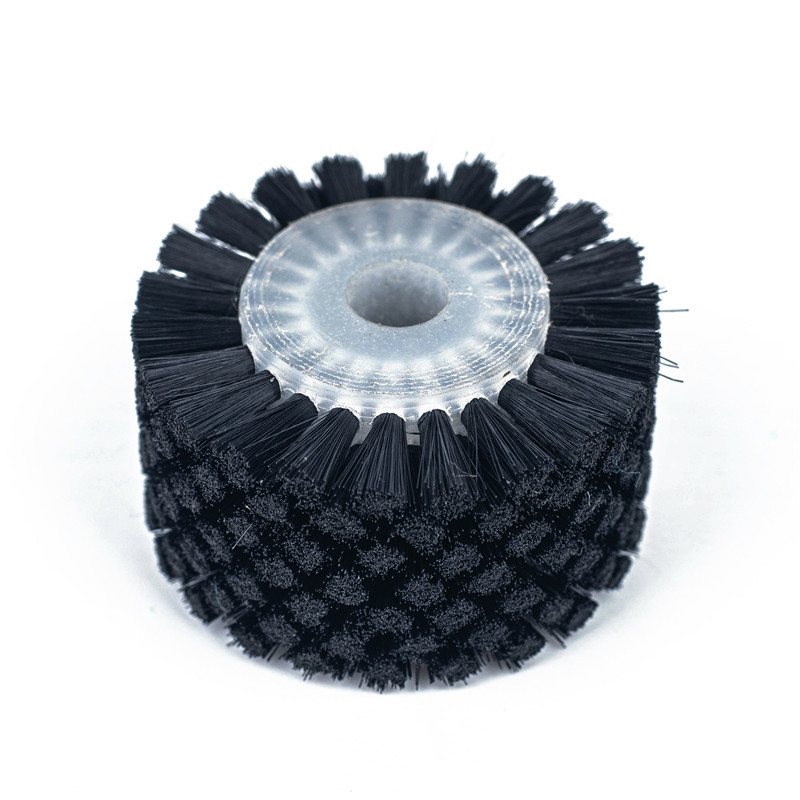
Innovative Industrial Brush Designs That Enhance Production Efficiency
Table of Contents
- 1. Introduction to Industrial Brushes
- 2. Importance of Efficient Brush Design in Manufacturing
- 3. Recent Advancements in Industrial Brush Designs
- 4. Types of Industrial Brushes and Their Applications
- 5. Material Innovations in Brush Manufacturing
- 6. How Innovative Brushes Optimize Production Efficiency
- 7. Case Studies of Enhanced Efficiency with Innovative Brushes
- 8. Future Trends in Industrial Brush Designs
- 9. Frequently Asked Questions (FAQs)
- 10. Conclusion
1. Introduction to Industrial Brushes
Industrial brushes are essential tools used in various manufacturing processes. They help with cleaning, deburring, polishing, and surface finishing. As the demand for efficiency and productivity increases, the design and technology behind these brushes have evolved significantly. This article explores the innovative designs of industrial brushes that enhance production efficiency, focusing on their features, benefits, and applications.
2. Importance of Efficient Brush Design in Manufacturing
The efficiency of production lines heavily relies on the tools employed, and industrial brushes play a critical role. An efficient brush design can lead to improved product quality, reduced downtime, and lower operational costs. By minimizing waste and enhancing the speed of processes, manufacturers can achieve greater output without compromising quality. This importance underscores the need for continuous innovation in brush design.
3. Recent Advancements in Industrial Brush Designs
Recent advancements in industrial brush designs have focused on optimizing performance. Innovations such as variable stiffness bristles, ergonomic handles, and advanced bristle configurations have emerged. These changes not only improve the effectiveness of the brushes but also enhance user comfort and safety. Some notable advancements include:
- 3D Printing Technology: This enables the creation of custom-shaped brushes tailored to specific applications, ensuring maximum efficiency.
- Smart Brushes: Integrated sensors can monitor wear and performance, providing real-time data to operators.
- Eco-Friendly Materials: The use of sustainable materials in brush manufacturing is gaining traction, addressing environmental concerns while maintaining performance.
4. Types of Industrial Brushes and Their Applications
Different types of industrial brushes serve specific purposes in manufacturing. Understanding these types and their applications is vital for selecting the right brush for the job. Here are some common types:
4.1. Wire Brushes
Wire brushes are primarily used for heavy-duty cleaning, rust removal, and surface preparation. They are ideal for metal surfaces and are commonly utilized in welding applications.
4.2. Nylon Brushes
Nylon brushes are versatile tools used for delicate cleaning tasks. They are suitable for applications such as cleaning electronic components and sensitive machinery.
4.3. Foam Brushes
Foam brushes are excellent for applying coatings and finishes. They provide a smooth application and are often used in the woodworking and automotive industries.
4.4. Rotary Brushes
Rotary brushes are designed for high-speed cleaning and polishing. They are commonly used in automated systems for surface finishing.
5. Material Innovations in Brush Manufacturing
The materials used in brush manufacturing have a significant impact on their performance and durability. Innovations in materials have led to the development of brushes that can withstand extreme conditions while maintaining efficiency. Key material innovations include:
- High-Temperature Resistant Bristles: These bristles can endure high heat, making them suitable for applications in industries such as aerospace and automotive.
- Corrosion-Resistant Materials: Using materials that resist corrosion extends the lifespan of brushes, reducing the need for frequent replacements.
- Biodegradable Options: The introduction of biodegradable bristles addresses environmental concerns, appealing to manufacturers focused on sustainability.
6. How Innovative Brushes Optimize Production Efficiency
Innovative industrial brushes optimize production efficiency in several ways. By employing advanced designs and materials, manufacturers can achieve:
6.1. Enhanced Cleaning Performance
Brushes designed with specialized bristles can clean surfaces more effectively, ensuring a higher quality finish and reducing the need for rework.
6.2. Reduced Downtime
With durable materials and efficient designs, innovative brushes require less frequent replacements and maintenance, minimizing downtime in production lines.
6.3. Increased Operator Safety
Ergonomically designed brushes improve user comfort, reducing the risk of injuries and increasing overall productivity.
7. Case Studies of Enhanced Efficiency with Innovative Brushes
Real-world examples illustrate the impact of innovative industrial brushes on production efficiency. Consider the following case studies:
7.1. Automotive Manufacturing
A leading automotive manufacturer implemented a new line of high-performance rotary brushes for surface polishing. This change resulted in a 30% reduction in polishing time and improved product quality.
7.2. Electronics Assembly
A prominent electronics assembly company adopted nylon brushes with advanced bristle configurations. This innovation enhanced their cleaning process, leading to a 25% decrease in defects due to contaminants.
8. Future Trends in Industrial Brush Designs
The future of industrial brush designs is promising, with several trends shaping their development:
- Integration of AI: Artificial intelligence may be utilized to predict brush wear and optimize maintenance schedules.
- Customization: Increased demand for customized brushes tailored to specific applications will drive innovation.
- Smart Features: Future brushes may include smart features that enhance performance monitoring and control.
9. Frequently Asked Questions (FAQs)
9.1. What are industrial brushes used for?
Industrial brushes are used for cleaning, deburring, polishing, and surface finishing across various manufacturing processes.
9.2. How do innovative brush designs enhance efficiency?
Innovative designs improve cleaning performance, reduce downtime, and enhance operator safety, all of which contribute to increased production efficiency.
9.3. What materials are used in modern industrial brushes?
Modern industrial brushes utilize materials such as wire, nylon, foam, and eco-friendly options to enhance performance and durability.
9.4. Can custom brushes improve efficiency in specific applications?
Yes, custom brushes can be tailored to meet the unique requirements of specific applications, leading to improved efficiency and effectiveness.
9.5. What trends are shaping the future of industrial brush designs?
Trends include AI integration, increased customization, and the development of smart features that enhance performance monitoring.
10. Conclusion
Innovative industrial brush designs are essential for enhancing production efficiency in today’s manufacturing landscape. By embracing advancements in material science and design, manufacturers can optimize their processes, reduce costs, and improve product quality. As these trends continue to evolve, the role of industrial brushes will become even more critical in driving efficiency and productivity across various industries. Investing in innovative brush solutions is not just a choice; it is a strategic move toward achieving excellence in manufacturing.
Hot Tags:

Contact Us
CEO: Alan
Email: alan@virostech.com
Phone: +86-15215693689
Sales Manager: Edith
Email: Edith@virostech.com
Phone: +86-15215693689
Lianxin Brush Industry
CEO : Alan
Sales Manager: Edith





REQUEST QUOTE
Please pay attention to your email.