Self-Producing Factory-Professional Manufacturer



Unlocking the Potential of Car Detailing Brushes: A Comprehensive Guide for Manufacturing Professionals
Feb 07,2026
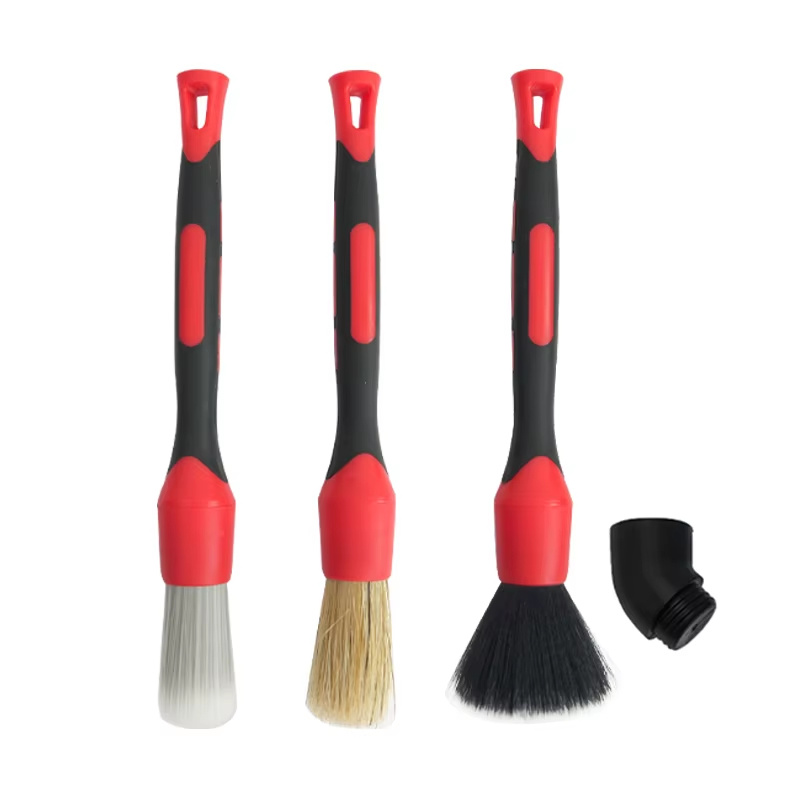
Car detailing brushes are specialized tools designed to clean various surfaces of a vehicle without causing damage. For manufacturers in the manual tools sector, focusing on the key attributes of these brushes is crucial for producing high-quality products that meet consumer needs.
One significant aspect of car detailing brushes is the bristle material. Common materials include synthetic fibers, natural bristles, and ultra-soft options. Synthetic brushes, for instance, are typically more durable and resistant to chemicals, making them suitable for heavy-duty cleaning applications. In contrast, natural bristles may offer a gentler touch, ideal for delicate surfaces such as leather or painted finishes. Understanding these materials helps manufacturers tailor their offerings to target specific market segments.
Another critical feature to consider is the brush shape and size. Car detailing brushes come in various shapes—round, flat, and angled—which cater to different cleaning tasks. For instance, round brushes are excellent for tires and wheel wells, while flat brushes can be utilized for dashboard and console cleaning. Providing a range of sizes allows customers to choose the right tool for their specific detailing jobs.
The ergonomics of the brush handle also play a vital role in user experience. A comfortable, non-slip grip can significantly enhance usability, especially during extended cleaning sessions. Manufacturers should prioritize ergonomic designs that reduce strain and promote efficiency.
Moreover, it’s essential to educate potential customers on the proper use and maintenance of car detailing brushes. Providing clear instructions on how to clean and store these brushes can extend their lifespan and ensure optimal performance. Including care guidelines in product packaging or marketing materials can enhance customer satisfaction and loyalty.
Finally, staying updated with industry trends is essential. As vehicle technology evolves, so do cleaning techniques and products. For example, the rise of electric vehicles may necessitate new cleaning approaches. Being proactive in product development and adapting to such trends will position manufacturers at the forefront of the market.
In conclusion, car detailing brushes represent a vital tool in automotive care. By focusing on materials, design, ergonomics, and educational resources, manufacturers can create products that not only meet but exceed customer expectations. Embracing these aspects will ultimately lead to a more successful and sustainable business in the manufacturing of manual tools for car detailing.
One significant aspect of car detailing brushes is the bristle material. Common materials include synthetic fibers, natural bristles, and ultra-soft options. Synthetic brushes, for instance, are typically more durable and resistant to chemicals, making them suitable for heavy-duty cleaning applications. In contrast, natural bristles may offer a gentler touch, ideal for delicate surfaces such as leather or painted finishes. Understanding these materials helps manufacturers tailor their offerings to target specific market segments.
Another critical feature to consider is the brush shape and size. Car detailing brushes come in various shapes—round, flat, and angled—which cater to different cleaning tasks. For instance, round brushes are excellent for tires and wheel wells, while flat brushes can be utilized for dashboard and console cleaning. Providing a range of sizes allows customers to choose the right tool for their specific detailing jobs.
The ergonomics of the brush handle also play a vital role in user experience. A comfortable, non-slip grip can significantly enhance usability, especially during extended cleaning sessions. Manufacturers should prioritize ergonomic designs that reduce strain and promote efficiency.
Moreover, it’s essential to educate potential customers on the proper use and maintenance of car detailing brushes. Providing clear instructions on how to clean and store these brushes can extend their lifespan and ensure optimal performance. Including care guidelines in product packaging or marketing materials can enhance customer satisfaction and loyalty.
Finally, staying updated with industry trends is essential. As vehicle technology evolves, so do cleaning techniques and products. For example, the rise of electric vehicles may necessitate new cleaning approaches. Being proactive in product development and adapting to such trends will position manufacturers at the forefront of the market.
In conclusion, car detailing brushes represent a vital tool in automotive care. By focusing on materials, design, ergonomics, and educational resources, manufacturers can create products that not only meet but exceed customer expectations. Embracing these aspects will ultimately lead to a more successful and sustainable business in the manufacturing of manual tools for car detailing.
Hot Tags:


Contact Us
CEO: Alan
Email: alan@virostech.com
Phone: +86-15215693689
Sales Manager: Edith
Email: Edith@virostech.com
Phone: +86-15215693689
Lianxin Brush Industry
CEO : Alan
Sales Manager: Edith





REQUEST QUOTE
Please pay attention to your email.