Self-Producing Factory-Professional Manufacturer



How are rollers brush used for polishing and cleaning?
Nov 24,2025

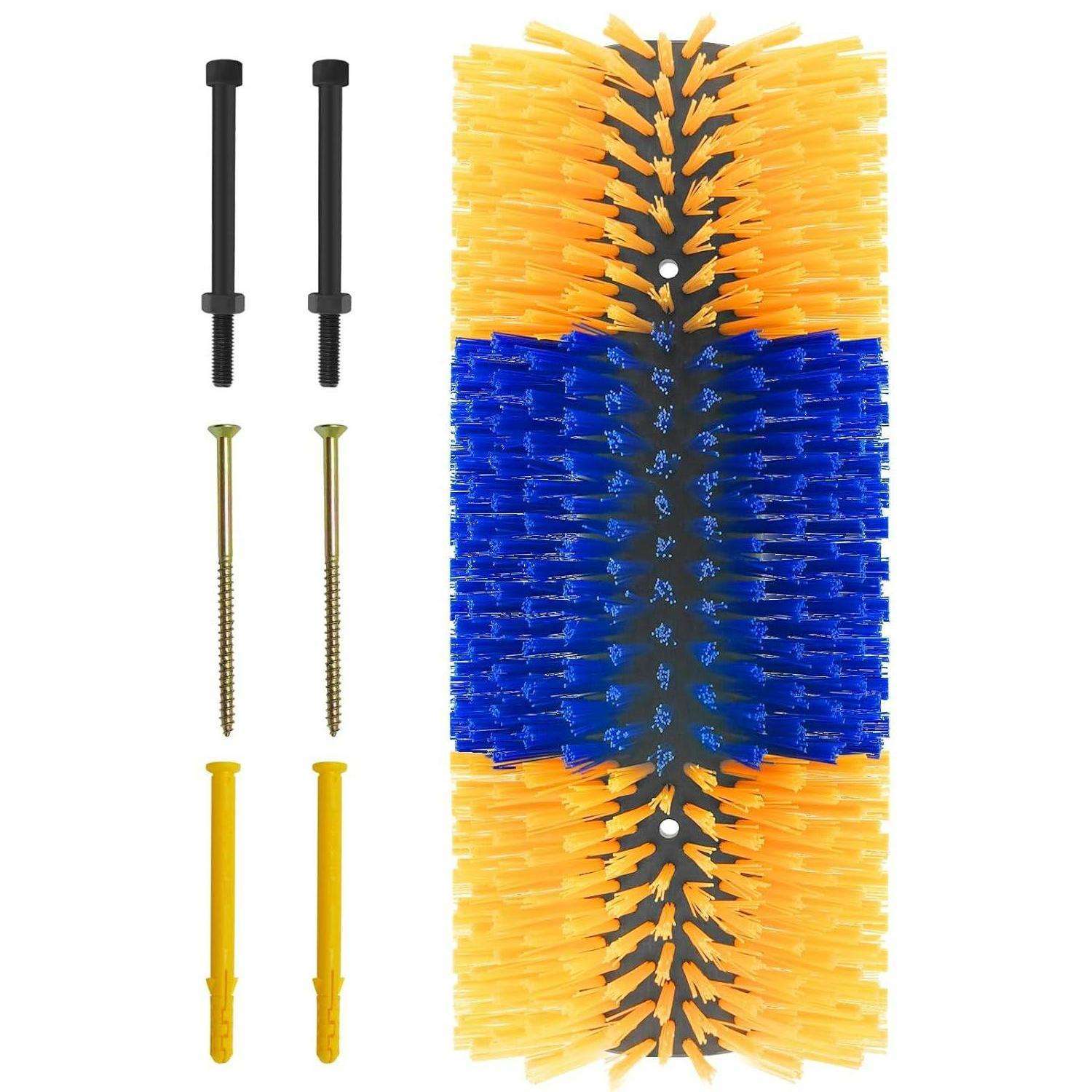
Roller brushes are tools designed for polishing and cleaning, typically made from materials such as steel wire, copper wire, or nylon filaments. They find extensive application across various surface treatment fields, including construction, automotive, machinery, home furnishings, and shipbuilding industries. Below, we explore the applications and usage methods of roller brushes in polishing and cleaning:
1. Polishing and Cleaning
Roller brushes can be used for electric or manual grinding, polishing, and cleaning. They primarily target raised areas, edges, and small spaces around components to remove surface oxides, rust, and grime. These processes smooth and brighten sheet metal, plastic, or wood surfaces, achieve clear markings, and enhance product quality.
2. Selecting the Appropriate roller brushes
Selecting the appropriate roller brushes based on the surface type and shape to be treated is crucial. For instance: steel wire roller brushes should be chosen for harder surfaces, while soft nylon bristle roller brushes are suitable for more delicate surfaces. Additionally, when performing surface polishing, consider using abrasives with varying particle sizes and materials.
3. Preparatory Work
Before using a roller brushes for polishing and cleaning, thoroughly clean the surface to be treated, ensuring it is completely free of dust. Additionally, prepare safety devices, appropriate gloves, and high-efficiency lubricants to enhance operational control.
4. Usage Method
- Select the appropriate roller brushes based on requirements and mount it on an electric drill chuck or manual flywheel.
- Apply lubricant evenly to the surface to be treated. This ensures smooth roller operation and prevents localized damage to riveted areas.
- Position the roller brushes on the surface and gradually increase pressure. Perform uniform, standardized polishing and cleaning along the grinding direction until the surface achieves the desired smoothness, free of rust spots, oxides, or other contaminants.
- As surface treatment may generate significant dust and debris, clean promptly even before moving to different locations. Upon completion, re-inspect the surface for flatness and smoothness to ensure quality improvement.
5. Precautions
- Always prioritize safety during operation to prevent injury.
- Before selecting an appropriate roller brushes, carefully inspect the surface type and shape to prevent damage or contamination.
- Avoid applying excessive or insufficient pressure during operation, as this may cause damage to the surface or roller brushes.
- Enhance lubrication and cooling to prevent excessive wear and overheating of the roller brushes.
In summary, roller brushes are highly practical tools for polishing and cleaning tasks. By selecting the correct roller brushes and matching abrasive, and employing proper operating methods to ensure surface flatness, you can effectively enhance product quality and precision in detail formation.
Hot Tags:

Contact Us
CEO: Alan
Email: alan@virostech.com
Phone: +86-15215693689
Sales Manager: Edith
Email: Edith@virostech.com
Phone: +86-15215693689
Lianxin Brush Industry
CEO : Alan
Sales Manager: Edith





REQUEST QUOTE
Please pay attention to your email.