Self-Producing Factory-Professional Manufacturer



The Importance of Grooming in Preventing Cow Diseases: A Comprehensive Guide
Nov 25,2025
The Importance of Grooming in Preventing Cow Diseases
Table of Contents
- Introduction
- The Role of Grooming in Cattle Health
- Common Cow Diseases Prevented by Grooming
- Grooming Tools and Techniques for Optimal Care
- Understanding the Grooming Process
- The Importance of Regular Grooming Schedules
- Grooming and Animal Welfare: A Vital Connection
- Frequently Asked Questions
- Conclusion
Introduction
In the world of cattle farming, maintaining the health and well-being of cows is paramount. One of the most effective yet often overlooked methods of disease prevention is **grooming**. The significance of grooming goes beyond aesthetics; it plays a critical role in preventing various cow diseases and promotes overall herd health. In this article, we will delve into the importance of grooming in preventing cow diseases, the tools necessary for effective grooming, and the processes involved to ensure your herd remains healthy and productive.
The Role of Grooming in Cattle Health
Grooming serves several essential functions that directly impact cattle health. These include:
Enhancing Skin Health
Regular grooming aids in the removal of dirt, debris, and dead skin cells. A clean coat is less likely to harbor parasites, which can cause significant health issues in cows. Grooming stimulates the skin and promotes better blood circulation, thus enhancing the overall skin condition.
Parasite Control
Cows are susceptible to external parasites such as lice, ticks, and flies. Grooming allows farmers to inspect their animals closely, identifying any parasites that may be present. Early detection and removal of these pests can prevent infestations that could lead to severe health risks.
Improving Social Bonds
Grooming isn’t just important for individual health; it also fosters social interactions among herd members. Cows groom each other as a form of social bonding, which can lead to reduced stress levels and improved welfare.
Common Cow Diseases Prevented by Grooming
Several diseases can be effectively prevented through regular grooming practices. Here are some of the most common ailments:
Mastitis
Mastitis is an inflammatory condition of the udder, often caused by bacteria entering through cracks or lesions on the skin. Regular grooming helps maintain the cleanliness of the udder area, reducing the risk of infection.
Dermatitis
Skin infections, or dermatitis, can be exacerbated by poor hygiene and the presence of irritants. Grooming minimizes these irritants and helps maintain healthy skin, thus preventing dermatitis outbreaks.
Foot Rot
Foot rot is a painful condition caused by bacterial infections in the hooves. Regular grooming not only keeps the hooves clean but also allows for early detection of any problems, preventing more severe conditions from developing.
Grooming Tools and Techniques for Optimal Care
To achieve effective grooming, it's essential to have the right tools and techniques in place. Here are some key tools and recommended techniques:
Essential Grooming Tools
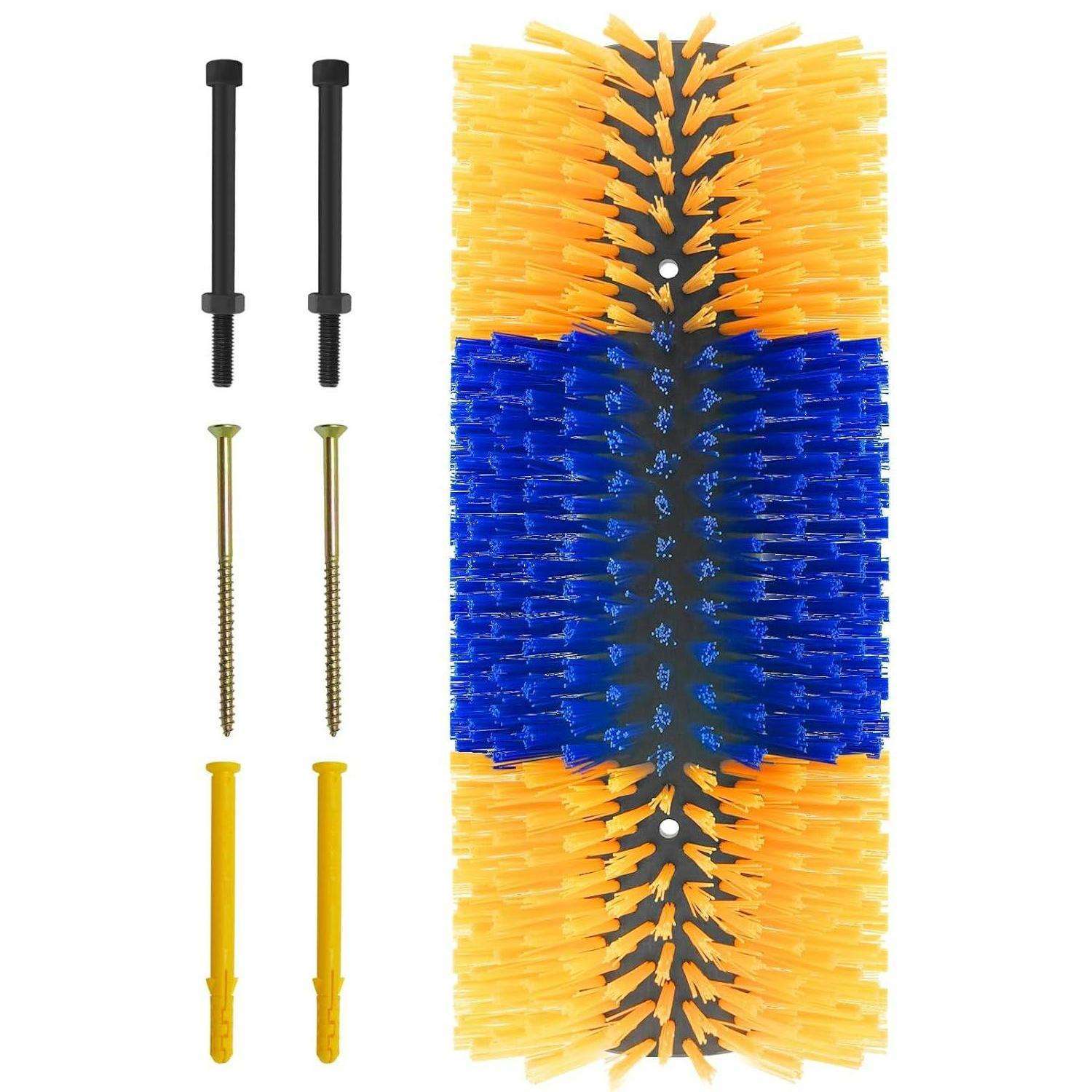
1. **Brushes**: A solid, stiff-bristled brush for removing dirt and debris and a softer brush for finishing touches.
2. **Combs**: Used for detangling and removing loose hair.
3. **Hoof Trimmers**: Specialized tools designed to maintain hoof health.
4. **Sponges and Cloths**: For cleaning sensitive areas.
5. **Fly Repellents**: To protect cows from external parasites during grooming sessions.
Effective Grooming Techniques
- **Start from the Top**: Begin grooming from the head and move downwards. This approach helps to loosen debris and dirt as you work your way down.
- **Use Gentle Strokes**: Cows respond best to gentle, calm movements. Rushing can cause stress to the animal.
- **Regularity is Key**: Establish a consistent grooming schedule to ensure optimal health and minimize disease risk.
Understanding the Grooming Process
An organized grooming process can significantly enhance its effectiveness. Here's a step-by-step guide:
Step 1: Inspection
Before grooming, conduct a thorough inspection of the cow for any signs of injury, infection, or parasites.
Step 2: Brushing and Combing
Use the stiff brush first to remove dirt and loose hair, followed by a softer brush for finer touches. Combing helps detangle fur and remove debris from sensitive areas.
Step 3: Hoof Care
Once the body has been groomed, focus on the hooves. Clean and trim hooves to prevent infections.
Step 4: Final Check
Wrap up by inspecting the cow one last time for any issues that may have been missed during the initial inspection.
The Importance of Regular Grooming Schedules
Establishing a regular grooming schedule is crucial for maintaining cow health. Here are the benefits of consistent grooming:
Consistency Leads to Health
By grooming regularly, farmers can ensure that health checks are routine, allowing for early detection of any health issues.
Building Trust
Cows that are groomed regularly become accustomed to human interaction, leading to increased trust and lower stress levels during handling.
Grooming and Animal Welfare: A Vital Connection
Animal welfare is an essential aspect of cattle farming. Grooming plays a key role in ensuring cows are not only healthy but also comfortable.
Improved Quality of Life
Regular grooming contributes to a cow's wellbeing, improving their overall quality of life. Healthy, well-groomed cows are happier and can produce better milk yields.
Legal and Ethical Responsibilities
Farmers have a legal and ethical obligation to provide adequate care for their animals. Grooming is a fundamental part of this responsibility, ensuring cows lead healthy lives.
Frequently Asked Questions
1. How often should I groom my cows?
It is recommended to groom cows at least once a week, though more frequent grooming may be beneficial, especially during shedding seasons.
2. Can grooming help with heat stress in cows?
Yes, regular grooming can help remove excess hair, allowing for better heat regulation, which is critical during warm weather.
3. What signs should I look for during grooming?
Look for signs of skin infections, injuries, or parasites. Regular inspections can help in early detection of health issues.
4. Are there specific grooming products I should use?
Always use products that are specifically designed for cattle care. Avoid human grooming products, as they may not be safe for cows.
5. How does grooming impact milk production?
Healthy cows are more productive. Regular grooming enhances health and comfort, leading to better milk yields.
Conclusion
In conclusion, grooming is an indispensable aspect of cattle management that plays a vital role in preventing diseases and promoting overall health. By implementing effective grooming practices, utilizing the right tools, and maintaining a consistent schedule, farmers can significantly enhance the wellbeing of their cows. Emphasizing grooming not only ensures a healthy herd but also contributes to greater productivity and animal welfare. Investing time and resources in grooming practices today will pay dividends in the long run, ensuring a thriving and healthy cattle operation.
Hot Tags:
Contact Us
CEO: Alan
Email: alan@virostech.com
Phone: +86-15215693689
Sales Manager: Edith
Email: Edith@virostech.com
Phone: +86-15215693689
Lianxin Brush Industry
CEO : Alan
Sales Manager: Edith





REQUEST QUOTE
Please pay attention to your email.