Self-Producing Factory-Professional Manufacturer



A Comprehensive Guide to Industrial Brush Materials and Their Benefits
Jun 18,2026
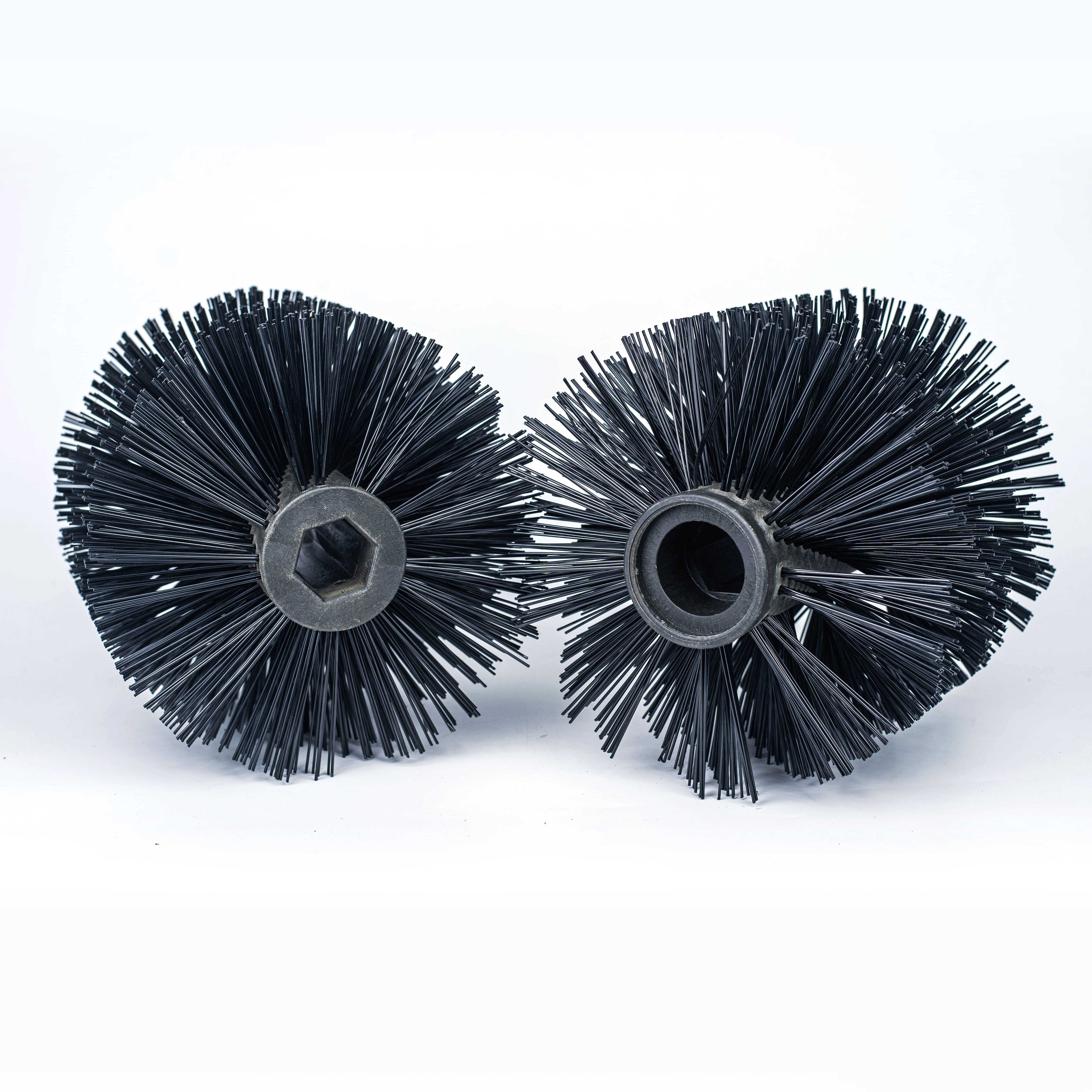
A Comprehensive Guide to Industrial Brush Materials and Their Benefits
In the realm of manufacturing and processing, industrial brushes play a pivotal role. Understanding the materials that make up these brushes is crucial in choosing the right tool for any job. This guide aims to provide a detailed insight into various industrial brush materials, their benefits, and how to select the right one for your specific needs.
Table of Contents
- 1. Introduction to Industrial Brushes
- 2. Importance of Choosing the Right Brush Material
- 3. Types of Industrial Brush Materials
- 3.1 Synthetic Brush Materials
- 3.2 Natural Brush Materials
- 3.3 Metal Brush Materials
- 3.4 Composite Brush Materials
- 4. Applications of Industrial Brushes
- 5. Benefits of Different Brush Materials
- 6. How to Select the Right Brush Material
- 7. Maintenance Tips for Industrial Brushes
- 8. Frequently Asked Questions (FAQs)
- 9. Conclusion
1. Introduction to Industrial Brushes
Industrial brushes are essential tools used across various sectors, including manufacturing, food processing, and automotive industries. These brushes come in different shapes, sizes, and materials, each designed to meet specific cleaning, polishing, or finishing tasks. By understanding the materials used in industrial brushes, businesses can enhance their operational efficiency and product quality.
2. Importance of Choosing the Right Brush Material
The choice of brush material significantly impacts the effectiveness and longevity of the brush. Selecting the wrong material can lead to ineffective cleaning, reduced lifespan, and increased costs. Thus, understanding the specific needs of your application—such as the type of surface, the nature of the debris, and chemical exposure—is vital in making an informed decision.
3. Types of Industrial Brush Materials
3.1 Synthetic Brush Materials
Synthetic brushes are created using man-made fibers, such as nylon, polyester, and polypropylene. These materials offer several advantages, including:
- Durability: Synthetic fibers are generally more resistant to wear and tear compared to natural materials.
- Versatility: Available in various stiffness levels, synthetic brushes can be tailored to different applications.
- Water and Chemical Resistance: They can withstand exposure to moisture and various chemicals without degrading.
3.2 Natural Brush Materials
Natural bristles, derived from animal hair (e.g., hog, horse, or goat), are often used in applications requiring gentler cleaning or polishing:
- Softness: Natural bristles are ideal for delicate surfaces that might scratch easily.
- Bio-degradability: Natural materials are environmentally friendly and can be disposed of without harm.
- Absorbency: They can hold and distribute lubricants and cleaning solutions effectively.
3.3 Metal Brush Materials
Metal brushes typically feature bristles made from steel, brass, or stainless steel, making them suitable for heavy-duty applications:
- Abrasive Action: Metal brushes are excellent for removing rust, paint, and debris from hard surfaces.
- Heat Resistance: They can withstand high temperatures, making them ideal for foundries and welding applications.
3.4 Composite Brush Materials
Composite brushes combine different materials to leverage their strengths:
- Customizability: These brushes can be tailored to suit very specific applications by mixing materials for optimal performance.
- Reduced Weight: Composite materials can often be lighter than their metal counterparts while maintaining strength.
4. Applications of Industrial Brushes
Industrial brushes find use in a diverse range of applications, including but not limited to:
- Cleaning: Used in conveyor belts, machinery, and workstations to maintain cleanliness.
- Finishing: Employed in sanding, polishing, and surface preparation tasks.
- Coating: Useful in applying paints, lubricants, and chemicals evenly.
5. Benefits of Different Brush Materials
5.1 Durability
Durability is a critical factor when selecting industrial brushes. Synthetic brushes typically outlast natural ones, especially in harsh environments. They resist fraying and breaking, ensuring consistent performance over time.
5.2 Abrasion Resistance
In applications where surfaces are subject to heavy wear, abrasion resistance becomes crucial. Metal brushes provide unparalleled durability against heavy-duty tasks, while synthetic materials can also offer good resistance for less intense applications.
5.3 Chemical Resistance
For processes that involve exposure to various chemicals, selecting brushes made of synthetic materials is often advantageous. These materials do not degrade quickly and maintain their structural integrity, ensuring consistent cleaning and processing capabilities.
6. How to Select the Right Brush Material
When selecting the right brush material for your industrial needs, consider the following factors:
- Application Requirements: Understand the specific tasks you need to achieve with the brush.
- Surface Type: Different materials behave differently on various surfaces; choose accordingly.
- Environmental Conditions: Consider temperature, humidity, and chemical exposure that may affect the brush's performance.
7. Maintenance Tips for Industrial Brushes
Proper maintenance can extend the life of industrial brushes significantly. Here are some essential tips:
- Regular Cleaning: Clean brushes after each use to prevent buildup of debris.
- Storage: Store brushes in a dry, clean environment to prevent damage.
- Inspection: Regularly inspect brushes for wear and tear and replace them as necessary.
8. Frequently Asked Questions (FAQs)
What are the most common materials used for industrial brushes?
The most common materials include synthetic fibers like nylon and polyester, natural fibers like animal hair, and metal bristles made from steel or brass.
How do I know which brush material is best for my application?
Consider the specific requirements of your task, including the type of surface, the nature of the debris, and any chemical exposure.
Are synthetic brushes better than natural brushes?
It depends on the application. Synthetic brushes offer durability and resistance to chemicals, while natural brushes are often gentler on delicate surfaces.
Can I use metal brushes on all surfaces?
No, metal brushes can scratch or damage softer surfaces. It's essential to choose the right type of brush for the specific surface you are working with.
How often should I replace my industrial brushes?
Brush replacement frequency depends on usage and wear. Regular inspections will help determine when a brush needs replacement.
9. Conclusion
Understanding the different materials used in industrial brushes and their respective benefits is crucial for optimizing your manufacturing processes. From synthetic to natural and metal to composite, each type of material offers unique characteristics that cater to a wide range of applications. By carefully selecting the right brush material, businesses can enhance efficiency, reduce costs, and ensure the longevity of their tools. Proper maintenance and regular inspections further contribute to maximizing the effectiveness of these essential industrial tools. Equip your operations with the right knowledge and make informed decisions to achieve the best results in your industry.
Hot Tags:
PREVIOUS:

Contact Us
CEO: Alan
Email: alan@virostech.com
Phone: +86-15215693689
Sales Manager: Edith
Email: Edith@virostech.com
Phone: +86-15215693689
Lianxin Brush Industry
CEO : Alan
Sales Manager: Edith





REQUEST QUOTE
Please pay attention to your email.