Self-Producing Factory-Professional Manufacturer



DIY Car Care: Maximizing Efficiency with an Auto Wash Brush
May 19,2026

DIY Car Care: Maximizing Efficiency with an Auto Wash Brush
Table of Contents
- 1. Introduction to DIY Car Care
- 2. The Importance of Regular Car Washes
- 3. Choosing the Right Auto Wash Brush
- 3.1 Types of Auto Wash Brushes
- 3.2 Bristle Materials and Their Benefits
- 3.3 Size and Shape Considerations
- 4. Techniques for Efficient Car Washing
- 5. Step-by-Step Guide to Using an Auto Wash Brush
- 6. Common Mistakes to Avoid When Washing Your Car
- 7. Maintaining Your Auto Wash Brush for Longevity
- 8. Frequently Asked Questions
- 9. Conclusion
1. Introduction to DIY Car Care
In today’s fast-paced world, taking care of our vehicles can often fall by the wayside. However, maintaining a clean and well-cared-for car not only enhances its appearance but also contributes to its longevity and performance. **DIY car care** is an effective way to ensure your vehicle remains in top condition while saving you money on professional services. One essential tool in this maintenance routine is the **auto wash brush**, which can maximize both efficiency and effectiveness during your car washing sessions.
2. The Importance of Regular Car Washes
Regular car washes are crucial for several reasons:
- **Protection Against Corrosion**: Dirt, grime, and road salt can damage your vehicle’s paint and lead to rust over time. Regular washing helps combat this.
- **Enhanced Visibility**: Keeping your windshield and mirrors clean improves visibility and safety while driving.
- **Resale Value**: A well-maintained car retains its value better. Prospective buyers often prefer vehicles that look good and have been cared for.
When you understand the **importance of regular washes**, incorporating an auto wash brush into your routine can streamline the process.
3. Choosing the Right Auto Wash Brush
Selecting the right auto wash brush is vital for achieving the best results while washing your car. Here are some factors to consider:
3.1 Types of Auto Wash Brushes
There are various types of auto wash brushes, each designed for specific cleaning tasks:
- **Sponge Brushes**: Great for gentle washing, sponge brushes can easily grip soap and water, making them ideal for soft finishes.
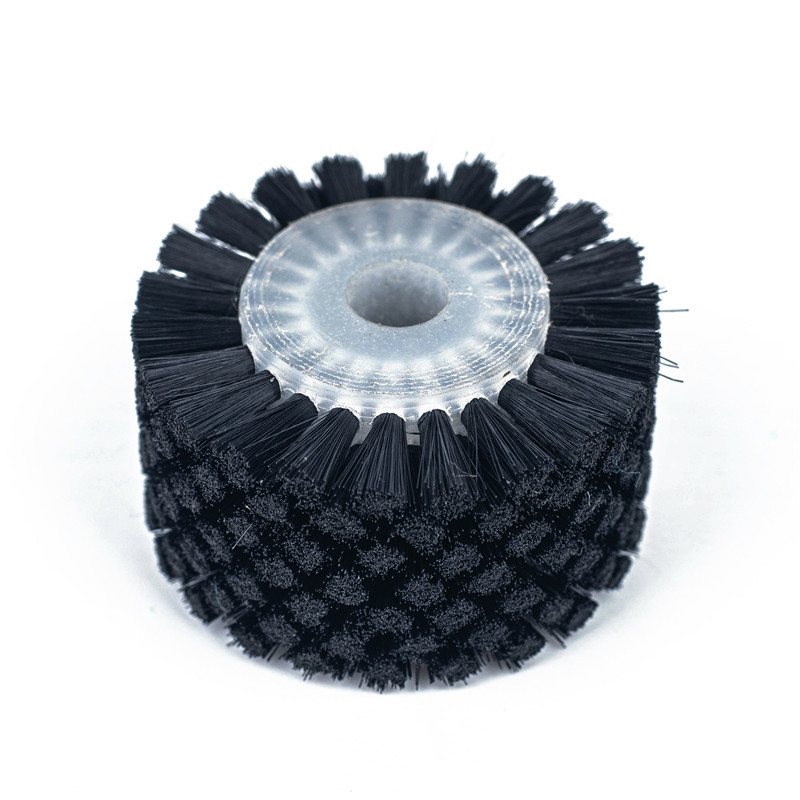
- **Bristle Brushes**: These are typically used for heavier-duty cleaning and are effective at removing stubborn dirt and grime.
- **Foam Brushes**: Designed to provide a soft touch, foam brushes are excellent for delicate surfaces and help prevent scratches.
3.2 Bristle Materials and Their Benefits
The bristle material of an auto wash brush can significantly affect its performance:
- **Soft Natural Bristles**: These help prevent scratches and swirl marks on your paint job, making them suitable for regular washes.
- **Synthetic Bristles**: More durable than natural options, synthetic bristles are often resistant to chemicals and can last longer.
Choosing the right bristle material can make a noticeable difference in your car care routine.
3.3 Size and Shape Considerations
The size and shape of the brush will impact your ability to reach all areas of your vehicle. A larger brush can cover more surface area quickly, while a smaller brush may be better for detailed areas. Consider the shape as well; an angled brush can help reach tight spots, making your washing process more efficient.
4. Techniques for Efficient Car Washing
To maximize the efficiency of your car washing process, consider these techniques:
1. **Pre-Rinse Your Vehicle**: Before using your wash brush, rinse your car with water to remove loose dirt and debris. This reduces the risk of scratches during the washing process.
2. **Use a Two-Bucket Method**: One bucket should contain soapy water, while the other holds clean water for rinsing your brush. This method helps avoid redepositing dirt onto your car.
3. **Work from Top to Bottom**: Always start washing from the roof and work your way down. This helps ensure that dirt and soap flow downwards, preventing dirt from resettling onto cleaned areas.
Implementing these techniques will not only save time but also improve the quality of your wash.
5. Step-by-Step Guide to Using an Auto Wash Brush
Here's a detailed step-by-step guide on how to effectively use an auto wash brush:
1. **Gather Your Supplies**: You will need your auto wash brush, two buckets (one with soap and one with clean water), a hose or pressure washer, and microfiber towels for drying.
2. **Pre-Rinse the Car**: Use your hose or pressure washer to remove any loose dirt and debris from the surface of your vehicle.
3. **Dip the Brush**: Start by dipping your auto wash brush into the soapy water. Ensure it's fully saturated to help lift grime.
4. **Wash the Vehicle**: Begin at the roof and work your way down. Use gentle circular motions to lift dirt without scratching the surface.
5. **Rinse the Brush**: Frequently rinse your brush in the clean water bucket to avoid scratching the car’s surface with accumulated debris.
6. **Rinse the Vehicle**: After washing, thoroughly rinse the car with clean water to remove all soap residue.
7. **Dry the Car**: Use microfiber towels to dry the vehicle. This prevents water spots and streaks from forming.
Following these steps will help maintain your vehicle’s cleanliness while maximizing efficiency.
6. Common Mistakes to Avoid When Washing Your Car
Avoiding common pitfalls can significantly impact your car care routine:
- **Using the Wrong Products**: Always use automotive-specific soaps and avoid household cleaners, which can damage the paint.
- **Not Rinsing Properly**: Failing to rinse thoroughly can leave soap residue that damages the paint over time.
- **Washing in Direct Sunlight**: This can cause soap and water to dry too quickly, leading to streaks and spots.
By being aware of these mistakes, you can improve your car washing effectiveness.
7. Maintaining Your Auto Wash Brush for Longevity
To get the most out of your auto wash brush, proper maintenance is essential:
- **Clean After Each Use**: Rinse the bristles thoroughly after each use to remove soap and debris. This helps maintain the integrity of the bristles.
- **Store Properly**: Keep your brush in a cool, dry place away from direct sunlight to prevent bristle degradation.
- **Inspect Regularly**: Check for any signs of wear or damage. Replace your brush when it shows significant wear to ensure optimal performance.
Taking these steps will ensure your brush remains effective for a long time.
8. Frequently Asked Questions
1. How often should I wash my car?
Washing your car every two weeks is advisable, but this may vary based on local conditions and usage.
2. Can I use a regular household brush for washing my car?
It is best to use a brush specifically designed for automotive care to avoid scratches and damage.
3. Is it necessary to wax my car after washing?
While not mandatory, waxing can provide an extra layer of protection for your car's paint and enhance its shine.
4. What’s the best soap to use for washing my car?
A pH-balanced car wash soap is recommended, as it is specifically formulated for automotive finishes.
5. What should I do if I accidentally scratch my car while washing?
For minor scratches, consider using a scratch removal polish. For deeper scratches, consult a professional for repair options.
9. Conclusion
Incorporating an auto wash brush into your DIY car care routine not only enhances the efficiency of your washing process but also ensures your vehicle remains looking its best. By choosing the right brush, employing effective washing techniques, and maintaining your tools, you can enjoy a clean car that lasts longer and retains its value. Regular washing is not just a chore; it’s an investment in your vehicle's longevity and performance. Embrace the practice of DIY car care, and watch your vehicle shine like new!
Hot Tags:

Contact Us
CEO: Alan
Email: alan@virostech.com
Phone: +86-15215693689
Sales Manager: Edith
Email: Edith@virostech.com
Phone: +86-15215693689
Lianxin Brush Industry
CEO : Alan
Sales Manager: Edith





REQUEST QUOTE
Please pay attention to your email.