Self-Producing Factory-Professional Manufacturer



Essential Tips for Choosing the Right Solar Panel Cleaning Brush
Sep 03,2025
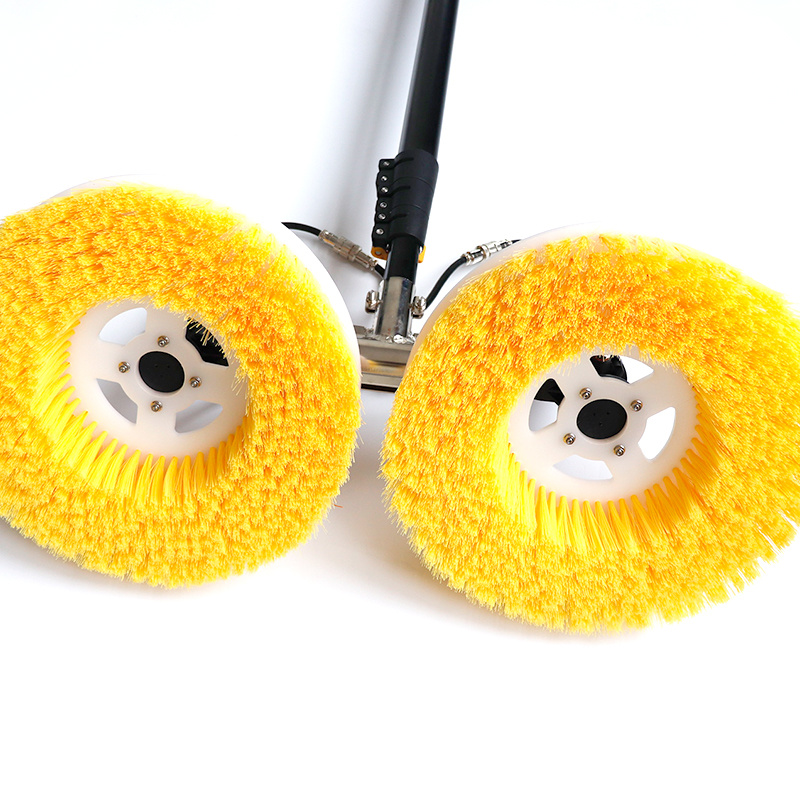
Essential Tips for Choosing the Right Solar Panel Cleaning Brush
With the increasing popularity of solar energy, maintaining the efficiency of solar panels has become essential for homeowners and businesses alike. One critical aspect of maintenance is keeping solar panels clean. A dirty panel can lose up to 25% of its efficiency, making the choice of cleaning tools paramount. In this comprehensive guide, we will explore everything you need to know about choosing the right solar panel cleaning brush. From understanding the types of brushes available to tips for effective cleaning, we have you covered.
Table of Contents
- Understanding Solar Panel Cleaning Brushes
- Types of Solar Panel Cleaning Brushes
- Material Considerations for Bristles
- Size and Design of Cleaning Brushes
- Ergonomics and Handle Design
- Cleaning Techniques and Best Practices
- Environmentally-Friendly Cleaning Solutions
- Frequently Asked Questions
Understanding Solar Panel Cleaning Brushes
Solar panels require regular cleaning to maintain their efficiency. Dust, dirt, bird droppings, and other debris can accumulate on the surface, obstructing sunlight and reducing energy output. This is where a suitable cleaning brush comes into play. Unlike regular cleaning brushes, solar panel cleaning brushes are specifically designed to be gentle on the solar panel surface while effectively removing dirt.
Types of Solar Panel Cleaning Brushes
When selecting a solar panel cleaning brush, understanding the different types available is essential. Each type serves a specific purpose, and knowing the differences can help you make an informed decision. Here are the primary types:
1. Soft-Bristle Brushes
Soft-bristle brushes are ideal for gently cleaning solar panels without risking damage. They are designed to effectively remove light dust and debris while minimizing the risk of scratching the surface.
2. Hard-Bristle Brushes
For more stubborn stains or heavy deposits, hard-bristle brushes can be used, but caution is advised. These brushes can be too abrasive for solar panels and may cause scratches. It’s crucial to reserve these brushes for tough jobs and test them on a small area first.
3. Telescoping Brushes
Telescoping brushes offer the advantage of reach. Many solar panels are mounted high, making it difficult to clean them without a ladder. A telescoping brush allows you to extend your reach, making the cleaning process safer and more efficient.
4. Water-Feeding Brushes
Water-feeding brushes integrate a water supply system that allows you to rinse the panels while cleaning. This feature can be particularly effective in removing stubborn dirt and debris.
Material Considerations for Bristles
The material of the bristles plays a significant role in the effectiveness and safety of a solar panel cleaning brush. Here are some common materials:
1. Nylon Bristles
Nylon bristles are popular for their durability and gentle cleaning properties. They are resistant to wear and tear, making them a long-lasting choice for solar panel cleaning.
2. Natural Fiber Bristles
Natural fiber bristles, such as those made from horsehair, are soft and effective at dusting surfaces. They are an excellent choice for light cleaning and maintaining the integrity of solar panels.
3. Polypropylene Bristles
Polypropylene bristles are resistant to chemicals and moisture, making them suitable for outdoor cleaning tasks. They are effective at removing dirt without scratching the surface.
Size and Design of Cleaning Brushes
The size and design of a solar panel cleaning brush can significantly impact its performance. Consider the following factors:
1. Brush Width
A wider brush can cover more surface area, allowing for faster cleaning. However, ensure that it can still maneuver into tight spaces between panels.
2. Brush Shape
Some brushes come with angled or contoured designs which can help reach hard-to-access areas while providing thorough cleaning.
Ergonomics and Handle Design
Cleaning solar panels can be a physically demanding task, especially if you have a large array. Therefore, ergonomics and handle design are crucial. Look for brushes with:
1. Comfortable Grips
A comfortable grip reduces hand fatigue and allows for prolonged use without discomfort.
2. Adjustable Handles
Adjustable or telescoping handles can help you find the perfect length for your cleaning needs, making it easier to reach all areas of your solar panels.
Cleaning Techniques and Best Practices
Choosing the right brush is only part of the equation; employing effective cleaning techniques is equally important. Here are some best practices:
1. Choose the Right Time
Cleaning solar panels in the early morning or late afternoon when they are cooler can prevent water from evaporating too quickly and leaving streaks.
2. Rinse Before Scrubbing
Before using a brush, rinsing the panels with water can help loosen dirt and debris. This step makes scrubbing more effective and reduces the risk of scratching.
3. Use Gentle Pressure
Applying light pressure while cleaning prevents damage to the panels. Let the brush do the work instead of pressing down hard.
4. Avoid Harsh Chemicals
When cleaning solar panels, it’s best to avoid harsh chemicals and abrasive cleaners. Stick to mild soap and water or specialized solar panel cleaning solutions.
Environmentally-Friendly Cleaning Solutions
Using eco-friendly cleaning solutions is not only good for the environment but also for your solar panels. Here are some options:
1. Vinegar and Water Solution
A mixture of vinegar and water can effectively clean panels without leaving harmful residues. A 50/50 mix works well for light cleaning tasks.
2. Biodegradable Soaps
Look for biodegradable soaps that won’t harm the environment. These are safe for both your solar panels and the surrounding ecosystems.
3. Rainwater
Utilizing collected rainwater for cleaning can be an effective and sustainable option, as it has fewer minerals compared to tap water, reducing streaks and spots.
Frequently Asked Questions
1. How often should solar panels be cleaned?
Solar panels should ideally be cleaned every 6 months, but this can vary based on your location and environmental factors, such as dust and bird activity.
2. Can I use a regular brush for cleaning solar panels?
It’s best to use a specialized solar panel cleaning brush to avoid scratching the surface and damaging the panels.
3. Is it safe to clean solar panels myself?
Yes, as long as you follow safety precautions and use the right tools. However, if you’re uncomfortable, consider hiring a professional.
4. Do I need to use chemicals to clean my solar panels?
Not necessarily. Many effective cleaning solutions are eco-friendly and do not require harsh chemicals.
5. What should I avoid when cleaning solar panels?
Avoid using abrasive materials, high-pressure washers, and harsh chemicals that could damage the panels.
Conclusion
Maintaining the efficiency of your solar panels is crucial for maximizing their energy output. Choosing the right solar panel cleaning brush involves understanding the types of brushes available, the materials of the bristles, and the ergonomic features that can enhance your cleaning experience. By employing the right techniques and environmentally-friendly solutions, you can ensure your solar panels remain clean and effective for years to come. Remember, regular maintenance is key to enjoying the full benefits of your solar investment.
Hot Tags:
PREVIOUS:

Contact Us
CEO: Alan
Email: alan@virostech.com
Phone: +86-15215693689
Sales Manager: Edith
Email: Edith@virostech.com
Phone: +86-15215693689
Lianxin Brush Industry
CEO : Alan
Sales Manager: Edith





REQUEST QUOTE
Please pay attention to your email.