Self-Producing Factory-Professional Manufacturer



Strip Brush Maintenance Precautions and Care Guide
Dec 19,2025

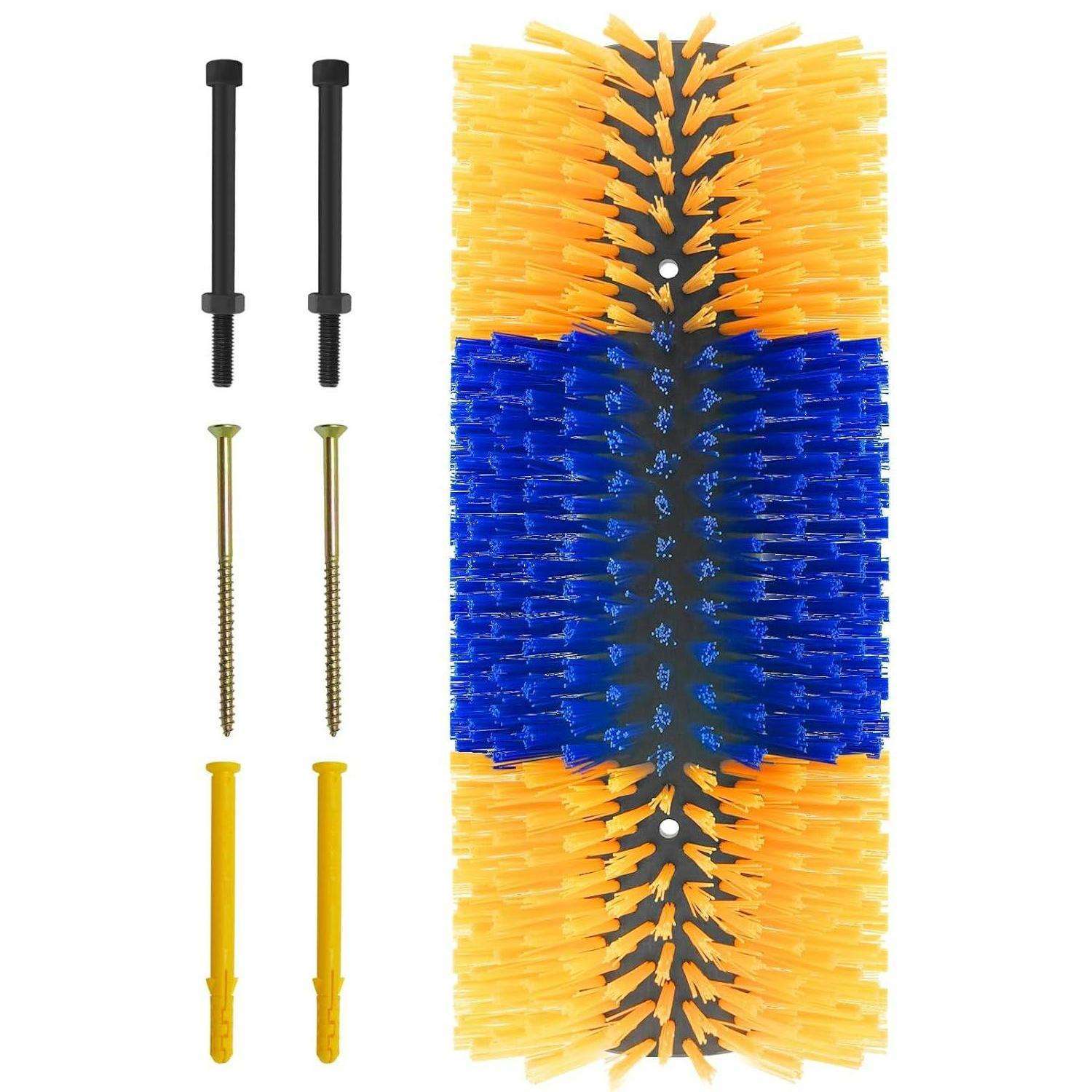
Strip brushes are widely used in various industries such as machinery manufacturing, metal processing, stone and glass processing, electronic display cleaning, polishing, deburring, and rust removal. They play an essential role in improving surface quality and operational efficiency.
Brush manufacturers can customize strip brushes according to customer requirements or machine dimensions, using materials such as steel wire, nylon filament, pig bristle, animal hair, tin wire, or abrasive filaments.
Common Strip Brush Materials
Nylon is one of the most commonly used materials in the brush industry. Nylon brush filaments are generally divided into three types:
Nylon 6 – Economical and widely used
Nylon 66 – Higher hardness and better wear resistance
Nylon 612 – Superior flexibility, moisture resistance, and durability
Among them, nylon brush filaments are extremely important because they determine the brush’s performance, durability, and suitability for different applications.
Important Installation and Sealing Notes
Ensure smooth and clean contact surfaces
Before installing new gaskets or strip brushes, all joint surfaces should be thoroughly cleaned to remove dirt and debris. Check for warping, burrs around bolt holes, or surface irregularities, and correct them if necessary. Proper sealing performance can only be achieved when surfaces are flat and undamaged.
Do not reuse old sealing gaskets
Once compressed between two components, gaskets permanently deform to match the surface roughness. Reusing old gaskets can lead to leakage and reduced sealing performance. Always replace gaskets during maintenance.
Proper storage before installation
Engine or machine gaskets should be kept in their original packaging before use. Avoid bending, folding, or stacking them improperly. During maintenance, do not hang gaskets on hooks, as this may cause deformation.
Strip Brush Maintenance Guidelines
Strip brushes are popular due to their flexibility and wide range of applications. However, improper maintenance can significantly shorten their service life and reduce cleaning or polishing effectiveness. Below are essential maintenance tips to ensure optimal performance.
1. Removing the Strip Brush
Before maintenance, remove the strip brush from the equipment following the manufacturer’s instructions. If the brush is heavily soiled, wipe off surface dust and debris with a clean cloth before further cleaning.
2. Soaking and Cleaning
Soak the strip brush in saltwater or a suitable cleaning solution. Use warm water and soft cleaning tools to remove dirt thoroughly. Avoid using high-temperature water or aggressive cleaning tools, as they may damage the brush filaments.
3. Thorough Drying
After cleaning, rinse the brush with clean water to remove any remaining detergent. Hang or place the brush in a well-ventilated area until it is completely dry, inside and out. During drying, avoid inserting fingers or objects into the brush channel to prevent deformation or damage.
4. Replacement and Reinstallation
If the steel wire, filament, or backing material shows signs of wear, aging, or damage, replace the strip brush promptly. During replacement, inspect other machine components to ensure there is no additional damage that could affect brush performance.
5. Proper Storage
Unused strip brushes should be stored in a dry, cool, and dust-free environment to prevent moisture absorption, bacterial growth, or deformation. Sealed packaging is recommended to protect brushes from dust and contaminants. Avoid storing brushes near electrical equipment to prevent potential electromagnetic interference.
Usage Tips for Longer Service Life
To maximize strip brush lifespan and performance, follow these best practices:
Avoid collisions between the strip brush and hard obstacles during operation.
Do not use strip brushes in excessively humid conditions unless designed for it.
Always comply with the manufacturer’s recommended operating speed.
Adjust the brush position and direction before operation to achieve optimal results.
Avoid excessive or continuous overuse, which may accelerate filament wear.
Conclusion
Strip brushes are essential tools in many industrial applications and are relatively easy to maintain. By following proper installation, cleaning, storage, and usage guidelines, you can significantly extend their service life and ensure consistent, efficient performance throughout their operating cycle.

Contact Us
CEO: Alan
Email: alan@virostech.com
Phone: +86-15215693689
Sales Manager: Edith
Email: Edith@virostech.com
Phone: +86-15215693689
Lianxin Brush Industry
CEO : Alan
Sales Manager: Edith





REQUEST QUOTE
Please pay attention to your email.