Self-Producing Factory-Professional Manufacturer



From Metal to Wood: The Versatility of Industrial Brushes Across Multiple Industries
Aug 07,2026
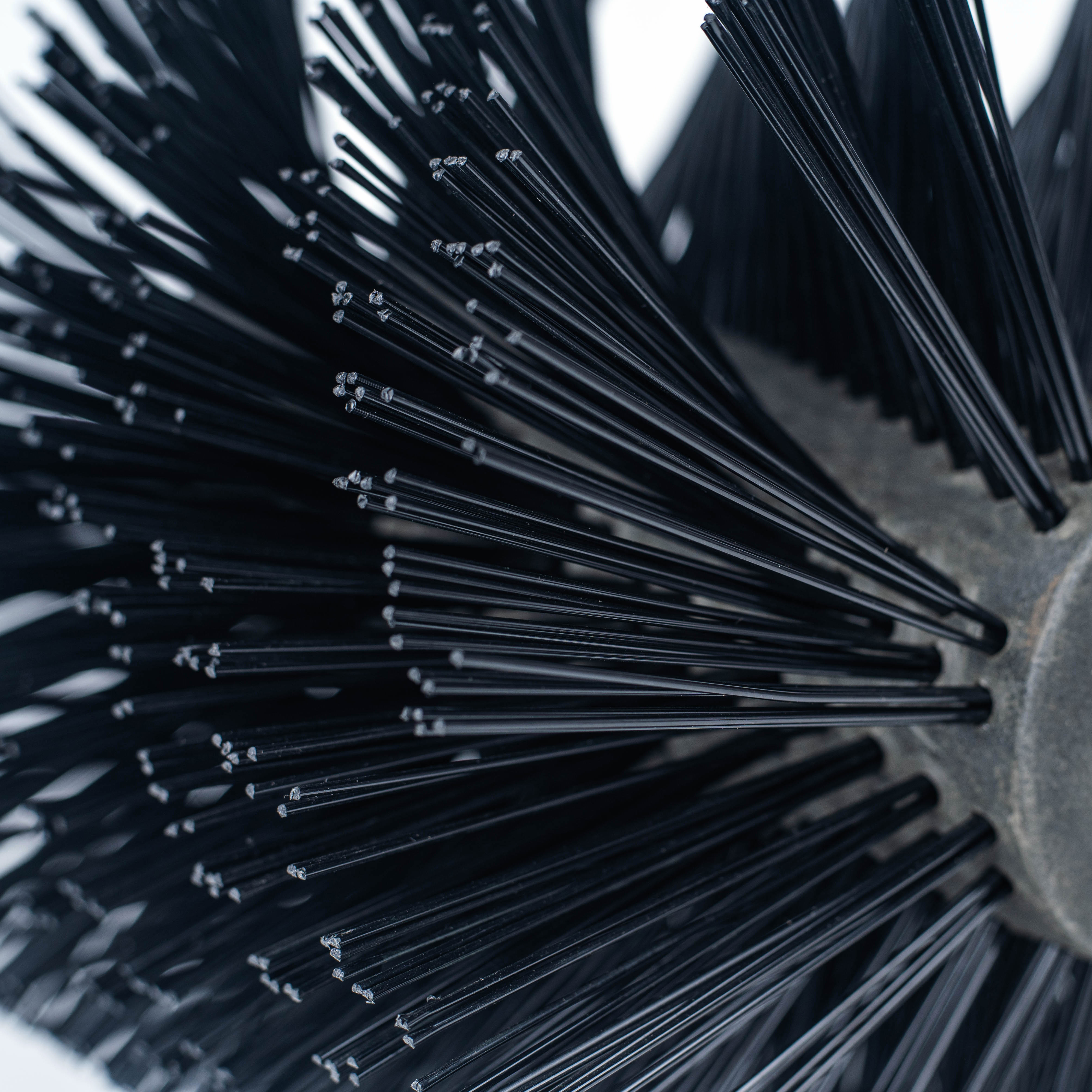
From Metal to Wood: The Versatility of Industrial Brushes Across Multiple Industries
Industrial brushes play a vital role in a wide spectrum of applications across different industries. From metal fabrication to woodworking, these tools are indispensable for achieving desired surface finishes, cleaning, and polishing tasks. In this article, we will explore the various types of industrial brushes, their unique features, and their applications in diverse sectors. Our goal is to illuminate how these brushes enhance productivity and achieve superior results in manufacturing processes.
Table of Contents
- Introduction
- Understanding Industrial Brushes
- Types of Industrial Brushes
- Applications of Industrial Brushes
- Benefits of Using Industrial Brushes
- Choosing the Right Industrial Brush
- Maintenance of Industrial Brushes
- Frequently Asked Questions
- Conclusion
Introduction
In the industrial landscape, brushes are often overlooked despite their immense importance. Understanding the versatility of industrial brushes can significantly impact operational efficiency and product quality. By exploring their functions, types, and applications, businesses can harness the full potential of these tools.
Understanding Industrial Brushes
Industrial brushes are tools designed for cleaning, finishing, and surface preparation. Made from various materials, these brushes come in different shapes and sizes, tailored to meet specific industry needs. Whether it’s for deburring metal surfaces or polishing wood, industrial brushes are crucial for achieving the required standards in manufacturing processes.
What Makes Industrial Brushes Unique?
The uniqueness of industrial brushes lies in their construction and the materials used. Different types of bristles, such as nylon, steel, or natural fibers, provide varied abrasion levels and cleaning abilities. This diversity allows them to cater to a wide array of tasks, making them suitable for both delicate and heavy-duty applications.
Types of Industrial Brushes
Understanding the different types of industrial brushes is essential for selecting the right tool for specific applications. Below are the main categories:
Metal Brushes
Metal brushes are predominantly used in the metalworking industry. They are designed to withstand high temperatures and abrasiveness, making them ideal for tasks such as deburring, cleaning, and surface preparation. Typically made with steel or brass filaments, these brushes effectively remove rust, scale, and other contaminants from metal surfaces.
Wood Brushes
Wood brushes are specifically engineered for woodworking applications. These brushes feature softer bristles, often made from natural fibers, to prevent damage to the wood surface while efficiently cleaning and finishing. They are perfect for applications like sanding and polishing, enhancing the final product’s aesthetic appeal.
Specialty Brushes
Specialty brushes cater to niche applications, combining various materials and bristle types. These may include chemical-resistant brushes for cleaning in hazardous environments or precision brushes for intricate detailing work. Their customized nature allows industries to tackle unique challenges effectively.
Applications of Industrial Brushes
Industrial brushes serve critical functions in numerous industries. Here, we will delve into some primary applications:
Metalworking Industry
In the metalworking sector, brushes are indispensable for processes like deburring and polishing metal parts. They enhance surface quality, ensuring that components meet stringent specifications. Metal brushes are employed in various operations, including:
- Deburring sharp edges
- Removing oxidation and rust
- Preparing surfaces for painting or coating
Woodworking Industry
The woodworking industry relies heavily on wood brushes to achieve smooth finishes and clean surfaces. These brushes are used in tasks such as:
- Sanding surfaces
- Applying finishes and treatments
- Cleaning dust and debris from workspaces
Automotive Industry
In the automotive sector, brushes are utilized for cleaning and maintaining automotive components. They play a crucial role in the assembly line, ensuring that parts are free of contaminants before assembly. Key applications include:
- Cleaning engine components
- Preparing surfaces for painting
- Maintaining cleanliness in manufacturing environments
Construction Industry
Within the construction industry, industrial brushes are essential for maintaining tools and equipment. They help in:
- Cleaning construction tools
- Removing debris from surfaces
- Preparing surfaces for coatings and treatments
Benefits of Using Industrial Brushes
Utilizing industrial brushes offers several advantages, enhancing both productivity and quality. Key benefits include:
Improved Surface Quality
Industrial brushes contribute to superior surface finishes, ensuring that products meet quality standards. Whether preparing metal for painting or finishing wood, the right brush can make all the difference.
Enhanced Efficiency
Using the appropriate brush for specific tasks can significantly reduce time and effort. Industrial brushes streamline processes, allowing for faster production cycles and reduced labor costs.
Versatility Across Industries
The adaptability of industrial brushes makes them suitable for a wide range of applications, ensuring they can meet diverse industry needs. This versatility simplifies inventory management, as businesses can rely on fewer tools for varied tasks.
Choosing the Right Industrial Brush
Selecting the right industrial brush is crucial for achieving optimal results. Consider the following factors when making your decision:
Material of the Brush
The material of the brush's bristles plays a significant role in its effectiveness. Steel brushes are ideal for heavy-duty tasks, while softer fibers are better suited for delicate surfaces. Evaluate the specific requirements of your application to choose the appropriate bristle material.
Brush Size and Shape
Brush size and shape should align with the task at hand. Larger brushes cover more surface area quickly, while smaller brushes allow for precision work in tight spaces. Assess the nature of the job to determine the best fit.
Application Requirements
Consider the specific requirements of your application, including the type of material being cleaned or finished. Understanding these factors will guide you in selecting the right brush to achieve desired results.
Maintenance of Industrial Brushes
Proper maintenance of industrial brushes is essential for extending their lifespan and ensuring optimal performance. Here are some tips for maintaining your brushes:
Regular Cleaning
After each use, it is important to clean brushes thoroughly to remove debris and contaminants. This prevents wear and prolongs the brush's effectiveness.
Storage Conditions
Store brushes in a dry, clean environment to prevent damage. Avoid exposing them to harsh chemicals or extreme temperatures, which can compromise bristle integrity.
Inspection for Damage
Regularly inspect brushes for signs of wear or damage, such as broken bristles or bent wires. Replace any damaged brushes promptly to maintain performance.
Frequently Asked Questions
1. What are the different types of industrial brushes?
There are several types, including metal brushes, wood brushes, and specialty brushes designed for specific applications.
2. How do I choose the right industrial brush for my needs?
Consider factors such as the material, size, shape, and specific requirements of your application when selecting a brush.
3. Can industrial brushes be used for cleaning purposes?
Yes, industrial brushes are commonly used for cleaning surfaces and tools in various industries, enhancing cleanliness and maintenance standards.
4. How do I maintain my industrial brushes?
Regular cleaning, proper storage, and routine inspections are key to maintaining the life and effectiveness of industrial brushes.
5. What industries benefit from industrial brushes?
Industries such as metalworking, woodworking, automotive, and construction all utilize industrial brushes for various applications.
Conclusion
Industrial brushes are indispensable tools across multiple industries, offering unique solutions for cleaning, finishing, and surface preparation. Their versatility allows them to adapt to various applications, from metalworking to woodworking, enhancing product quality and operational efficiency. By understanding the different types and applications of industrial brushes, businesses can make informed decisions that lead to superior results. Embracing the power of industrial brushes not only streamlines processes but also elevates the overall quality of production across industries.
Hot Tags:


Contact Us
CEO: Alan
Email: alan@virostech.com
Phone: +86-15215693689
Sales Manager: Edith
Email: Edith@virostech.com
Phone: +86-15215693689
Lianxin Brush Industry
CEO : Alan
Sales Manager: Edith





REQUEST QUOTE
Please pay attention to your email.