Self-Producing Factory-Professional Manufacturer



Essential Insights on Horse Brushes: A Guide for Effective Grooming
Jul 23,2026
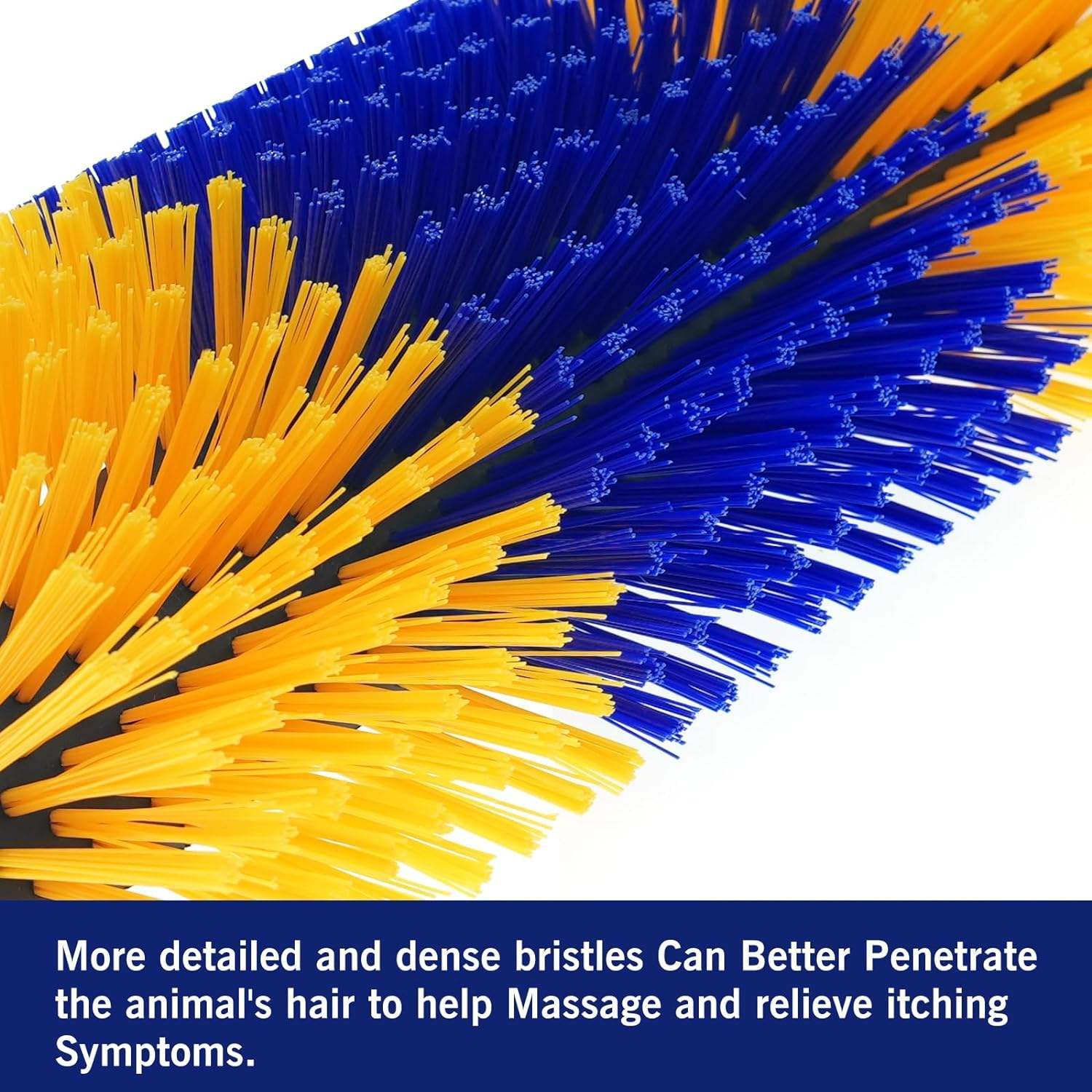
Horse brushes are indispensable tools in the equestrian world, playing a crucial role in maintaining the hygiene and health of horses. Proper grooming not only enhances the appearance of your horse but also contributes to its overall well-being. Understanding the different types of horse brushes and their specific functions is vital for every horse owner or groom.
There are several types of horse brushes, each designed for distinct purposes. The most common types include curry combs, body brushes, mane and tail brushes, and finishing brushes.
1. **Curry Combs**: These brushes have a rubber or plastic design with short teeth. They are primarily used to loosen dirt, mud, and loose hair from the horse's coat. The flexibility of a curry comb allows it to work effectively on different coat types, making it a versatile tool in any grooming kit. Regular use of a curry comb can promote blood circulation, contributing to healthier skin and coat.
2. **Body Brushes**: After using a curry comb, a body brush is ideal for removing the debris brought to the surface. Body brushes typically have softer bristles that are gentle on the skin. They are essential for polishing the coat and can help distribute natural oils, enhancing the horse's shine. Selecting the right body brush based on your horse’s coat type is crucial; for instance, a softer bristle is preferable for sensitive areas.
3. **Mane and Tail Brushes**: These brushes are specifically designed to detangle the mane and tail without causing damage. When grooming these areas, it's essential to start from the bottom and work your way up, gently removing knots. Using a suitable mane and tail brush ensures minimal breakage and maintains the overall health of the horse's hair.
4. **Finishing Brushes**: As the name suggests, finishing brushes are used as a final step in the grooming process. These brushes have very soft bristles and are ideal for giving the coat a smooth finish. They can also be used on sensitive areas like the face and legs, ensuring that all dirt and dust are removed without causing discomfort.
In addition to using the right brushes, grooming frequency is another important consideration. Regular grooming not only helps in maintaining a clean coat but also provides an opportunity to check for any skin issues, injuries, or parasites. A well-groomed horse is not only healthier but also more comfortable, making grooming a rewarding experience for both the horse and the handler.
In summary, horse brushes are more than just grooming tools; they are essential in promoting equine health and comfort. By understanding the different types of brushes and their specific uses, horse owners can ensure their animals remain happy and healthy. Proper grooming techniques, along with the right tools, will undoubtedly enhance your grooming routine and strengthen the bond between you and your equine companion.
There are several types of horse brushes, each designed for distinct purposes. The most common types include curry combs, body brushes, mane and tail brushes, and finishing brushes.
1. **Curry Combs**: These brushes have a rubber or plastic design with short teeth. They are primarily used to loosen dirt, mud, and loose hair from the horse's coat. The flexibility of a curry comb allows it to work effectively on different coat types, making it a versatile tool in any grooming kit. Regular use of a curry comb can promote blood circulation, contributing to healthier skin and coat.
2. **Body Brushes**: After using a curry comb, a body brush is ideal for removing the debris brought to the surface. Body brushes typically have softer bristles that are gentle on the skin. They are essential for polishing the coat and can help distribute natural oils, enhancing the horse's shine. Selecting the right body brush based on your horse’s coat type is crucial; for instance, a softer bristle is preferable for sensitive areas.
3. **Mane and Tail Brushes**: These brushes are specifically designed to detangle the mane and tail without causing damage. When grooming these areas, it's essential to start from the bottom and work your way up, gently removing knots. Using a suitable mane and tail brush ensures minimal breakage and maintains the overall health of the horse's hair.
4. **Finishing Brushes**: As the name suggests, finishing brushes are used as a final step in the grooming process. These brushes have very soft bristles and are ideal for giving the coat a smooth finish. They can also be used on sensitive areas like the face and legs, ensuring that all dirt and dust are removed without causing discomfort.
In addition to using the right brushes, grooming frequency is another important consideration. Regular grooming not only helps in maintaining a clean coat but also provides an opportunity to check for any skin issues, injuries, or parasites. A well-groomed horse is not only healthier but also more comfortable, making grooming a rewarding experience for both the horse and the handler.
In summary, horse brushes are more than just grooming tools; they are essential in promoting equine health and comfort. By understanding the different types of brushes and their specific uses, horse owners can ensure their animals remain happy and healthy. Proper grooming techniques, along with the right tools, will undoubtedly enhance your grooming routine and strengthen the bond between you and your equine companion.
Hot Tags:


Contact Us
CEO: Alan
Email: alan@virostech.com
Phone: +86-15215693689
Sales Manager: Edith
Email: Edith@virostech.com
Phone: +86-15215693689
Lianxin Brush Industry
CEO : Alan
Sales Manager: Edith





REQUEST QUOTE
Please pay attention to your email.