Self-Producing Factory-Professional Manufacturer



Why Grooming with a Cow Brush is Essential During Seasonal Changes
May 29,2026
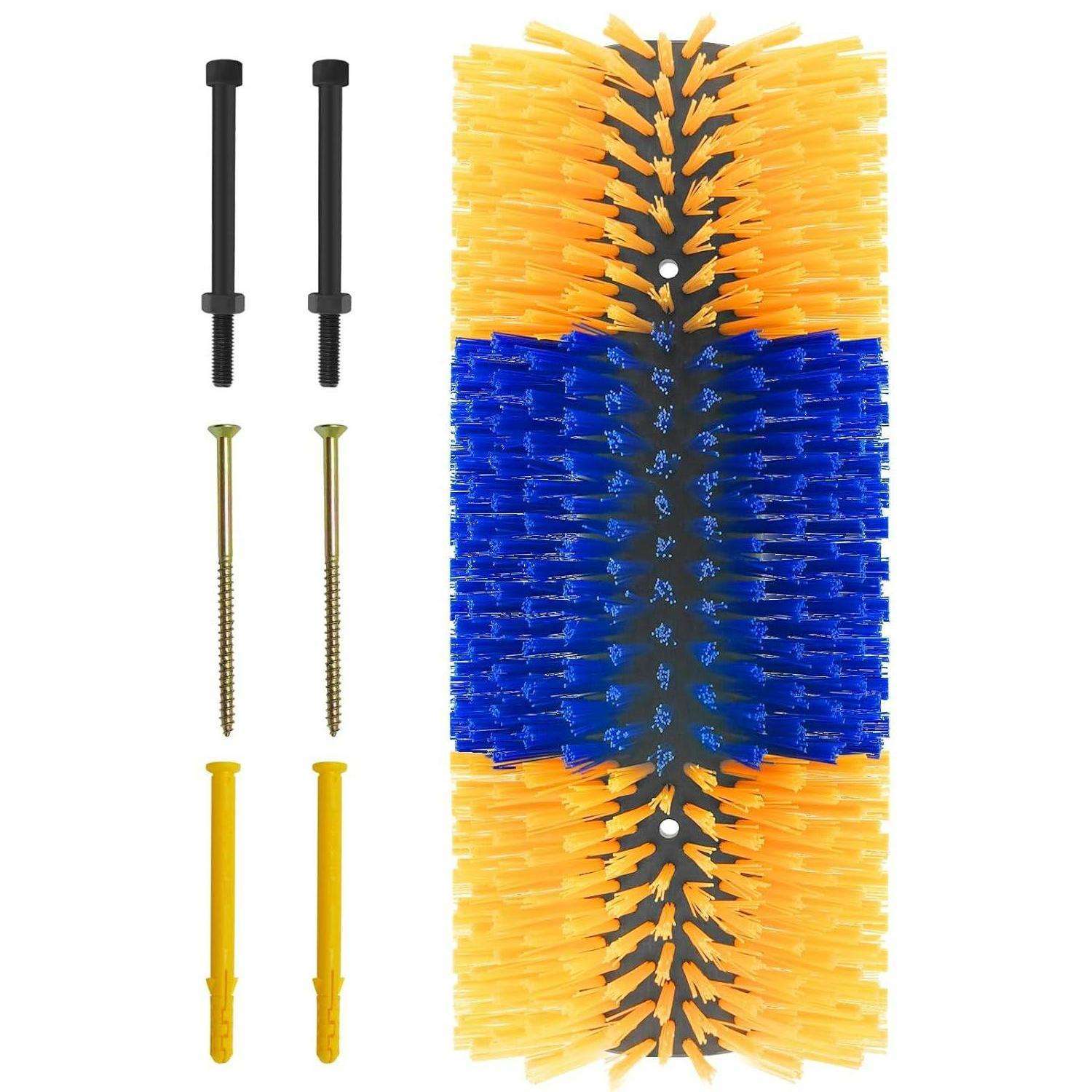
Why Grooming with a Cow Brush is Essential During Seasonal Changes
As seasons shift, farmers and livestock owners face unique challenges in maintaining the health and appearance of their animals. One often overlooked yet crucial tool in this process is the cow brush. Grooming with a cow brush during seasonal changes is essential for several reasons, from enhancing overall health to improving productivity and comfort. In this article, we will delve deep into why regular grooming is a non-negotiable practice when managing your livestock.
Understanding the Importance of Grooming in Livestock Care
Grooming is not merely a cosmetic procedure; it plays a central role in the overall well-being of livestock. Regular grooming helps:
1. **Promote Skin Health**: Grooming removes dirt, debris, and dead hair, which can harbor parasites and bacteria. By keeping the skin clean, we promote better health.
2. **Enhance Circulation**: The process of brushing stimulates blood flow, which is vital for nutrient delivery to the skin and coat.
3. **Strengthen Bonds**: Regular grooming sessions strengthen the bond between the handler and the animal, fostering trust and reducing stress.
4. **Improve Coat Condition**: Grooming with the right tools can lead to a shinier, healthier coat, which not only looks good but also provides better insulation against temperature changes.
The Impact of Seasonal Changes on Livestock
Seasonal changes can significantly affect the well-being of livestock.
Summer Challenges
During the hotter months, animals become more susceptible to heat stress, parasites, and skin irritations. Grooming in summer helps to:
- **Remove Excess Hair**: As animals shed their winter coats, brushing helps to remove loose hair, keeping them cooler.
- **Minimize Parasite Loads**: Seasonal pests thrive in warmth. Regular grooming can help in identifying and removing parasites before they become a larger health issue.
Winter Challenges
In winter, the challenges shift. Although animals grow thicker coats, they also face increased risks of matting, dampness, and skin infections. Proper grooming techniques during winter involve:
- **Preventing Matting**: Regular brushing prevents the coat from becoming matted, which can trap moisture and lead to skin issues.
- **Maintaining Healthy Skin**: Ensuring that the skin stays clean and dry is crucial for preventing infections and promoting warmth.
The Benefits of Using a Cow Brush
Cow brushes are specifically designed for the unique needs of cattle. Their benefits include:
1. Ergonomic Design
Cow brushes often feature ergonomic designs that make the grooming process more efficient for the handler and more comfortable for the animal. This minimizes the risk of injury for both parties.
2. Versatility
These brushes come in various sizes and bristle types, allowing for effective grooming for different coat conditions and seasonal requirements. Whether your livestock has long hair or short hair, a suitable brush is available.
3. Effective Hair Removal
The primary function of a cow brush is to remove loose hair and debris effectively. This is especially important during shedding periods, as it aids in smoother coat transitions between seasons.
4. Enhanced Comfort and Welfare
Grooming provides not only physical benefits but also psychological ones. The process calms the animals, promoting a sense of safety and comfort.
Best Practices for Grooming with a Cow Brush
To maximize the benefits of grooming with a cow brush, we recommend adhering to the following best practices:
1. Establish a Routine
Create a grooming schedule that aligns with the seasons. During spring and fall, when shedding is most pronounced, increase grooming frequency to aid in coat transitions.
2. Choose the Right Brush
Select a brush that suits your animal's coat type and thickness. A stiff bristle brush is excellent for thick winter coats, while softer bristles work well for summer grooming.
3. Use Proper Techniques
Groom using long, sweeping motions following the direction of hair growth. This helps reduce discomfort for the cow and promotes a more thorough cleaning.
4. Monitor Health During Grooming
Use grooming sessions as an opportunity to check for signs of health issues such as skin irritations, lumps, or parasites. Early detection can make a significant difference in treatment outcomes.
Seasonal Grooming Strategies
Different seasons require tailored grooming strategies to ensure optimal health and comfort for your livestock.
Spring Grooming Techniques
As cattle prepare to shed their winter coats, focus on:
- **Frequent Brushing**: Increase the frequency of grooming to assist with shedding.
- **Moisturizing Skin**: Consider using skin conditioners to keep the skin hydrated.
Summer Grooming Techniques
During summer, the focus shifts to maintaining comfort in the heat:
- **Daily Grooming**: Brush daily to remove loose hair and dirt.
- **Check for Parasites**: Pay special attention to areas prone to pest infestations, like the belly and between legs.
Fall Grooming Techniques
As the weather cools and animals prepare for winter:
- **Prepare for Shedding**: Start grooming earlier to facilitate the transition to thicker coats.
- **Increase Nutritional Support**: Ensure a balanced diet rich in vitamins and minerals to support healthy coats.
Winter Grooming Techniques
In the harsh winter months, the focus should be on maintenance:
- **Thorough Brushing**: Brush regularly to prevent matting and check for hidden skin problems.
- **Use of Brushes with Soft Bristles**: Gentle brushing protects the skin from damage and helps maintain warmth.
Common Mistakes in Cow Grooming
Even with good intentions, mistakes can happen. Here are some common pitfalls to avoid:
1. Inconsistent Grooming
Neglecting regular grooming can lead to health issues. Establish a consistent grooming routine, especially during seasonal changes.
2. Using the Wrong Tools
Using the wrong type of brush can cause discomfort or inadequate cleaning. Ensure you select a brush suited to your animal's coat type and season.
3. Ignoring Signs of Discomfort
Always pay attention to the animal's reactions during grooming. If your cow seems uncomfortable or anxious, reassess your techniques.
FAQs about Grooming with a Cow Brush
1. How often should I groom my cows during seasonal changes?
It is recommended to groom cows at least once a week during the transitional seasons, increasing frequency to every day during heavy shedding periods.
2. Can grooming help reduce stress in cows?
Yes, regular grooming can significantly reduce stress levels in cows, creating a bond between the animal and handler.
3. What are the signs that my cow needs grooming?
Signs include visible dirt or debris on the coat, excessive shedding, or skin issues like irritation or dryness.
4. Are cow brushes suitable for all breeds?
Yes, cow brushes can be used on all breeds, though the specific brush type may vary based on coat length and thickness.
5. How can I ensure my grooming sessions are effective?
Establish a routine, use the right tools, and pay attention to your animal’s reactions to ensure effective grooming sessions.
Conclusion
Grooming with a cow brush is not merely a luxury but an essential practice that directly impacts the health and productivity of livestock during seasonal changes. By regularly grooming your animals, you promote skin health, enhance coat condition, and foster a strong bond between handler and livestock. Armed with the right tools and techniques, you can ensure that your cows thrive, no matter what the season holds. Embrace the art of grooming and watch as your livestock flourish under your care.
Hot Tags:


Contact Us
CEO: Alan
Email: alan@virostech.com
Phone: +86-15215693689
Sales Manager: Edith
Email: Edith@virostech.com
Phone: +86-15215693689
Lianxin Brush Industry
CEO : Alan
Sales Manager: Edith





REQUEST QUOTE
Please pay attention to your email.