Self-Producing Factory-Professional Manufacturer



How Industrial Brushes Enhance Safety in Manufacturing Processes
Apr 29,2026
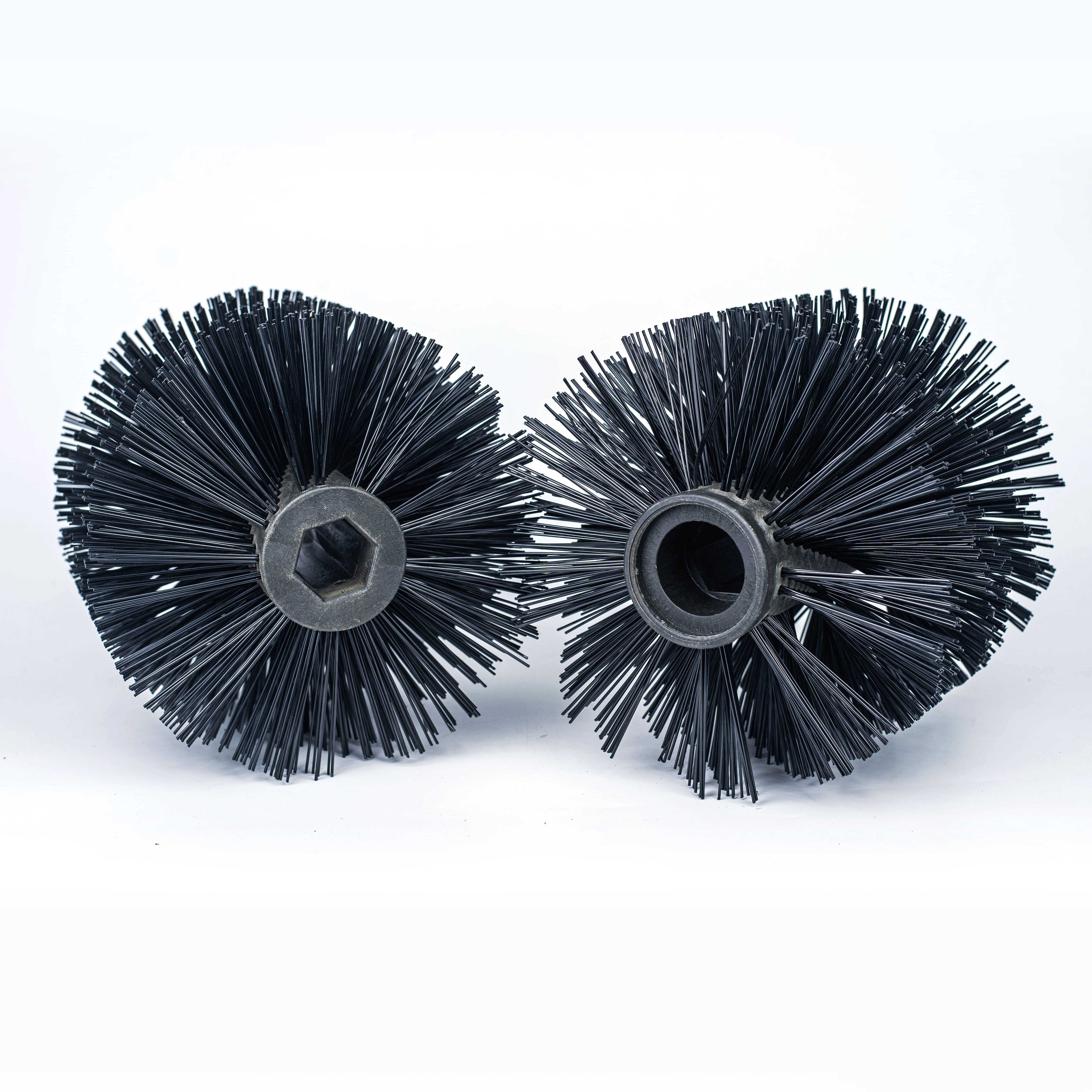
How Industrial Brushes Enhance Safety in Manufacturing Processes
Table of Contents
- 1. Introduction to Industrial Brushes and Manufacturing Safety
- 2. Types of Industrial Brushes Utilized in Manufacturing
- 3. Importance of Industrial Brushes in Risk Mitigation
- 4. Applications of Industrial Brushes in Various Industries
- 5. Enhancing Cleanliness and Maintenance in Manufacturing
- 6. Regulatory Compliance and Safety Standards
- 7. How to Choose the Right Industrial Brush for Your Needs
- 8. The Future of Industrial Brushes and Manufacturing Safety
- 9. Frequently Asked Questions
- 10. Conclusion
1. Introduction to Industrial Brushes and Manufacturing Safety
In the ever-evolving landscape of manufacturing, safety is paramount. As industries strive for efficiency and productivity, the potential hazards associated with various processes continue to grow. One pivotal component in enhancing safety measures is the **industrial brush**. These specialized tools are not just for cleaning; they play a fundamental role in ensuring a secure manufacturing environment. Understanding how industrial brushes contribute to safer manufacturing processes can provide insights into their value in various settings.
2. Types of Industrial Brushes Utilized in Manufacturing
Industrial brushes come in a diverse array of shapes, sizes, and materials, each designed for specific functions. They can be categorized into several types, including:
2.1 Wire Brushes
Wire brushes are prevalent in metalworking industries. They are designed for cleaning, deburring, and surface preparation. The **stainless steel wire** offers durability and resistance to corrosion, making them ideal for heavy-duty applications.
2.2 Nylon Brushes
Nylon brushes are commonly used for gentle cleaning and surface finishing. They are ideal for applications where damaging the substrate is a concern. Their resilience and flexibility make them suitable for various manufacturing tasks.
2.3 Abrasive Brushes
Abrasive brushes integrate abrasive materials into the bristles, allowing for effective cleaning and surface finishing. They are utilized in processes where surface roughness or adhesion is critical.
2.4 Specialty Brushes
Specialty brushes are crafted for unique applications, including those requiring non-sparking materials or specific bristle configurations. These brushes are essential in industries like oil and gas, where safety requirements are stringent.
3. Importance of Industrial Brushes in Risk Mitigation
The importance of industrial brushes extends beyond mere cleaning. They are essential tools for risk mitigation in manufacturing processes. Here are several ways in which they contribute to safety:
3.1 Reducing Hazardous Debris
Debris accumulation in manufacturing environments can lead to accidents. Industrial brushes effectively remove dust, metal shavings, and other hazardous materials, reducing the risk of slips, trips, and falls.
3.2 Preventing Contamination
In industries such as food processing and pharmaceuticals, contamination is a severe concern. Industrial brushes help maintain cleanliness, ensuring that products meet safety standards and reducing the risk of contamination.
3.3 Enhancing Equipment Longevity
Regular maintenance with the appropriate brushes prolongs the life of machinery. This not only saves costs but also minimizes the risk of equipment failure, which can lead to workplace accidents.
4. Applications of Industrial Brushes in Various Industries
Industrial brushes find applications across numerous industries, each benefiting from their unique properties.
4.1 Automotive Industry
In the automotive sector, industrial brushes are used in manufacturing processes for cleaning components and applying lubricants. They ensure machinery operates efficiently, promoting safety on assembly lines.
4.2 Electronics Manufacturing
In electronics, precision cleaning is crucial. Specialized brushes help in the removal of fine dust particles that could compromise the functionality of electronic components, thus enhancing safety.
4.3 Food and Beverage Industry
This industry requires stringent hygiene standards. Industrial brushes play a vital role in cleaning surfaces and equipment, thereby preventing contamination and ensuring product safety.
4.4 Aerospace Industry
In aerospace, where precision is critical, brushes are used for cleaning and surface finishing. They help maintain the integrity of components, reducing the risk of failure during operation.
5. Enhancing Cleanliness and Maintenance in Manufacturing
A clean manufacturing environment is directly linked to safety. Industrial brushes facilitate effective cleaning and maintenance practices.
5.1 Routine Cleaning Regimens
Incorporating industrial brushes into routine cleaning regimens helps maintain workplace safety. Regular cleaning prevents the buildup of hazardous materials, ensuring a safer environment for employees.
5.2 Equipment Maintenance
Using the right brushes for equipment maintenance is crucial. They help in removing grime and buildup that could affect machinery performance, ultimately reducing the likelihood of malfunctions and accidents.
6. Regulatory Compliance and Safety Standards
Manufacturers must adhere to various safety regulations and standards. Industrial brushes play a role in ensuring compliance with these regulations.
6.1 Understanding Safety Standards
Familiarity with industry-specific safety standards is vital. Utilizing appropriate cleaning tools like industrial brushes aids in meeting these standards, thus enhancing overall safety.
6.2 Ensuring Compliance Audits
Regular compliance audits are part of maintaining safety in manufacturing. Well-maintained equipment, facilitated by industrial brushes, can lead to favorable audit outcomes.
7. How to Choose the Right Industrial Brush for Your Needs
Selecting the right industrial brush is crucial for maximizing safety and efficiency in your manufacturing processes.
7.1 Assessing Your Application
Identify the primary cleaning or finishing tasks you require. Consider the material you're working with, as different brushes serve different purposes depending on the substrate.
7.2 Evaluating Brush Materials
Evaluate the materials of the brushes based on their intended use. For example, metal brushes are suitable for heavy-duty cleaning, while nylon brushes are better for delicate surfaces.
7.3 Consulting with Experts
Don't hesitate to consult with brush manufacturers or suppliers. They can provide insights into which brushes will best suit your application and enhance safety.
8. The Future of Industrial Brushes and Manufacturing Safety
The future of industrial brushes in manufacturing is promising, with ongoing innovations aimed at enhancing safety and efficiency.
8.1 Technological Advancements
As technology advances, we can expect the development of smarter brushes equipped with sensors to monitor cleanliness levels and surface conditions, further improving safety.
8.2 Sustainable Materials
There is a growing trend towards sustainability. Future industrial brushes may incorporate eco-friendly materials, aligning with industry goals for reducing environmental impact while enhancing safety.
9. Frequently Asked Questions
9.1 What are industrial brushes made of?
Industrial brushes can be made from various materials, including nylon, steel, and natural fibers, depending on their intended application.
9.2 How often should industrial brushes be replaced?
The lifespan of industrial brushes varies. Regular inspection is vital; replace them when they show signs of wear or damage to maintain safety.
9.3 Can industrial brushes be used for cleaning delicate surfaces?
Yes, but it’s essential to select the right type of brush. Nylon brushes are typically suitable for delicate surfaces as they are less abrasive.
9.4 Why is brush maintenance important?
Proper maintenance ensures brushes remain effective, prolongs their lifespan, and contributes to a safer manufacturing environment by preventing hazards.
9.5 Are there regulations regarding the use of industrial brushes?
Yes, various industries have specific regulations regarding cleanliness and safety standards. Using the correct brushes can help ensure compliance with these regulations.
10. Conclusion
Industrial brushes are indispensable tools in the manufacturing sector, contributing significantly to safer operations. By reducing hazardous debris, preventing contamination, and ensuring compliance with safety standards, these brushes enhance overall workplace safety. As industries continue to evolve, the role of industrial brushes will likely expand, incorporating new technologies and sustainable practices that further promote a secure manufacturing environment. Investing in the right industrial brushes is not just a choice; it's a commitment to safety and efficiency in manufacturing processes.
Hot Tags:


Contact Us
CEO: Alan
Email: alan@virostech.com
Phone: +86-15215693689
Sales Manager: Edith
Email: Edith@virostech.com
Phone: +86-15215693689
Lianxin Brush Industry
CEO : Alan
Sales Manager: Edith





REQUEST QUOTE
Please pay attention to your email.