Self-Producing Factory-Professional Manufacturer



Common Myths About Industrial Brushes Debunked: Understanding Their True Value in Manufacturing
Mar 12,2026
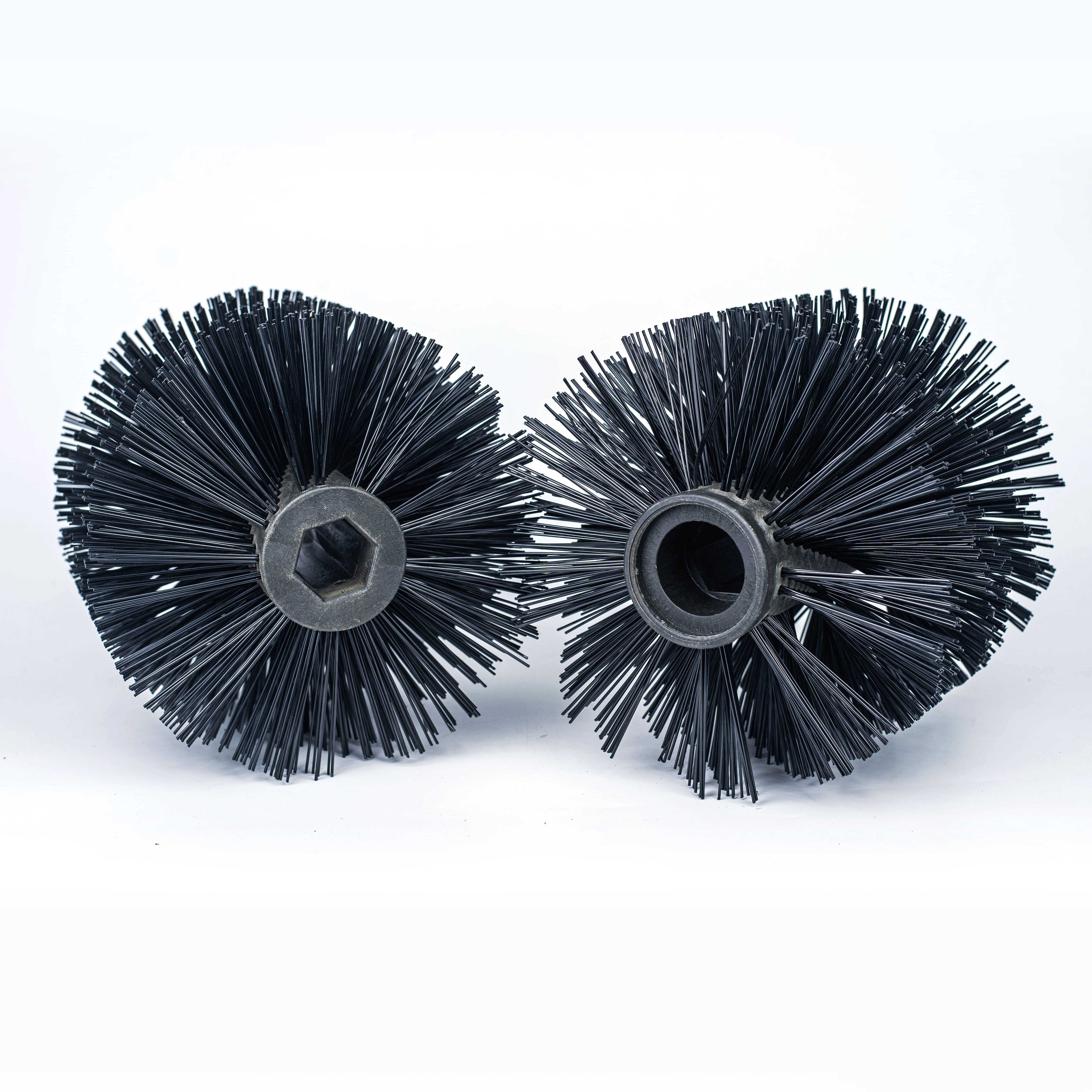
Common Myths About Industrial Brushes Debunked
Table of Contents
- Myth 1: Industrial Brushes Are Only for Cleaning
- Myth 2: All Brushes Are the Same
- Myth 3: Industrial Brushes Have a Short Lifespan
- Myth 4: Brushes Are Difficult to Maintain
- Myth 5: Only Manual Brushes Are Effective
- Myth 6: Industrial Brushes Are Expensive
- Myth 7: Brushes Are Inefficient Compared to Modern Alternatives
- Myth 8: Industrial Brushes Are Not Environmentally Friendly
- Conclusion
- Frequently Asked Questions (FAQs)
Myth 1: Industrial Brushes Are Only for Cleaning
One of the most prevalent misconceptions about industrial brushes is that their sole purpose is cleaning. While cleaning is a significant function, industrial brushes serve multiple roles in various manufacturing processes. They are essential for surface finishing, deburring, polishing, and even applying coatings. For example, a wire brush can effectively remove rust from metal surfaces, while a nylon brush is excellent for achieving a smooth finish on delicate materials. Understanding these applications enhances their perceived value in any manufacturing setup.
Myth 2: All Brushes Are the Same
Another common myth is that all brushes are interchangeable, which couldn’t be further from the truth. Industrial brushes come in a multitude of shapes, sizes, and bristle types, each designed for specific tasks. For instance, a strip brush with a flexible backing is ideal for sealing applications, while a power brush is used for heavy-duty tasks requiring more aggressive action. The choice of brush can greatly influence the efficiency and quality of the work being performed.
Myth 3: Industrial Brushes Have a Short Lifespan
A widespread belief is that industrial brushes wear out quickly and are not cost-effective. In reality, the lifespan of an industrial brush depends on several factors, such as the materials used, the application, and the operating conditions. High-quality brushes made from durable materials can last considerably longer than their cheaper counterparts. Regular maintenance and proper usage can also extend their life, making them a sustainable option in the long run.
Myth 4: Brushes Are Difficult to Maintain
Some users think that maintaining industrial brushes is a complex and time-consuming process. In truth, caring for these brushes is relatively straightforward. Regular cleaning to remove debris and ensuring they are stored properly can prolong their lifespan. Additionally, manufacturers often provide guidelines on maintenance that are easy to follow. Implementing a consistent maintenance routine ensures optimal performance and reduces the need for frequent replacements.
Myth 5: Only Manual Brushes Are Effective
While manual brushes have their place in many applications, believing they are the only effective option is a myth. Power brushes and automated brushing systems offer increased efficiency and consistency for larger workloads. These tools can handle more demanding tasks and reduce the physical strain on workers. Incorporating automated solutions can significantly enhance productivity and safety in the workplace.
Myth 6: Industrial Brushes Are Expensive
The perception that industrial brushes are excessively costly deters many businesses from investing in high-quality options. Although some brushes may have a higher upfront cost, the long-term benefits can outweigh this initial investment. High-quality brushes tend to last longer, reduce waste, and improve process efficiency, ultimately leading to cost savings. Evaluating the total cost of ownership rather than just the purchase price can provide a clearer perspective on their value.
Myth 7: Brushes Are Inefficient Compared to Modern Alternatives
In an era dominated by advanced machinery and technology, it’s easy to think that traditional brushing methods are obsolete. However, industrial brushes remain relevant and effective, often complementing modern technologies. Their ability to perform tasks that require precision and subtlety cannot be easily replicated by machines. Many manufacturing processes still rely on the versatility and adaptability of brushes to achieve desired results.
Myth 8: Industrial Brushes Are Not Environmentally Friendly
Lastly, there is a growing concern about the environmental impact of industrial brushes. This myth stems from the belief that brushes contribute to waste and pollution. In reality, many manufacturers are moving towards sustainable materials and practices. For instance, biodegradable brush materials and recycling programs are being adopted to minimize environmental footprints. By choosing eco-friendly options, businesses can align their practices with sustainability goals.
Conclusion
Understanding the true value of industrial brushes is essential for any manufacturing operation. By debunking these common myths, we can appreciate the versatility and impact of brushes in various applications. A well-informed approach to selecting, using, and maintaining industrial brushes can lead to significant improvements in efficiency, cost savings, and sustainability. Embracing the true capabilities of industrial brushes will ensure that businesses remain competitive in an ever-evolving market.
Frequently Asked Questions (FAQs)
1. What are the different types of industrial brushes?
Industrial brushes come in various types, including wire brushes, power brushes, strip brushes, and nylon brushes, each designed for specific applications such as cleaning, polishing, and surface finishing.
2. How do I choose the right brush for my application?
When selecting a brush, consider the material you are working with, the type of finish required, and the specific application. Consult with manufacturers to find tailored recommendations.
3. Can industrial brushes be recycled?
Yes, many industrial brushes can be recycled. Check with your supplier for the best disposal or recycling options available for your specific type of brush.
4. How can I extend the lifespan of my industrial brushes?
To prolong the lifespan of your brushes, clean them regularly, store them properly, and follow the manufacturer's maintenance guidelines.
5. Are there environmentally friendly options for industrial brushes?
Yes, many manufacturers now offer brushes made from biodegradable materials and implement sustainable practices, making it easier for businesses to align with eco-friendly goals.
Hot Tags:

Contact Us
CEO: Alan
Email: alan@virostech.com
Phone: +86-15215693689
Sales Manager: Edith
Email: Edith@virostech.com
Phone: +86-15215693689
Lianxin Brush Industry
CEO : Alan
Sales Manager: Edith





REQUEST QUOTE
Please pay attention to your email.