Self-Producing Factory-Professional Manufacturer



The Essential Guide to Horse Brushes: Choosing the Right Tool for Equine Grooming
Feb 01,2026
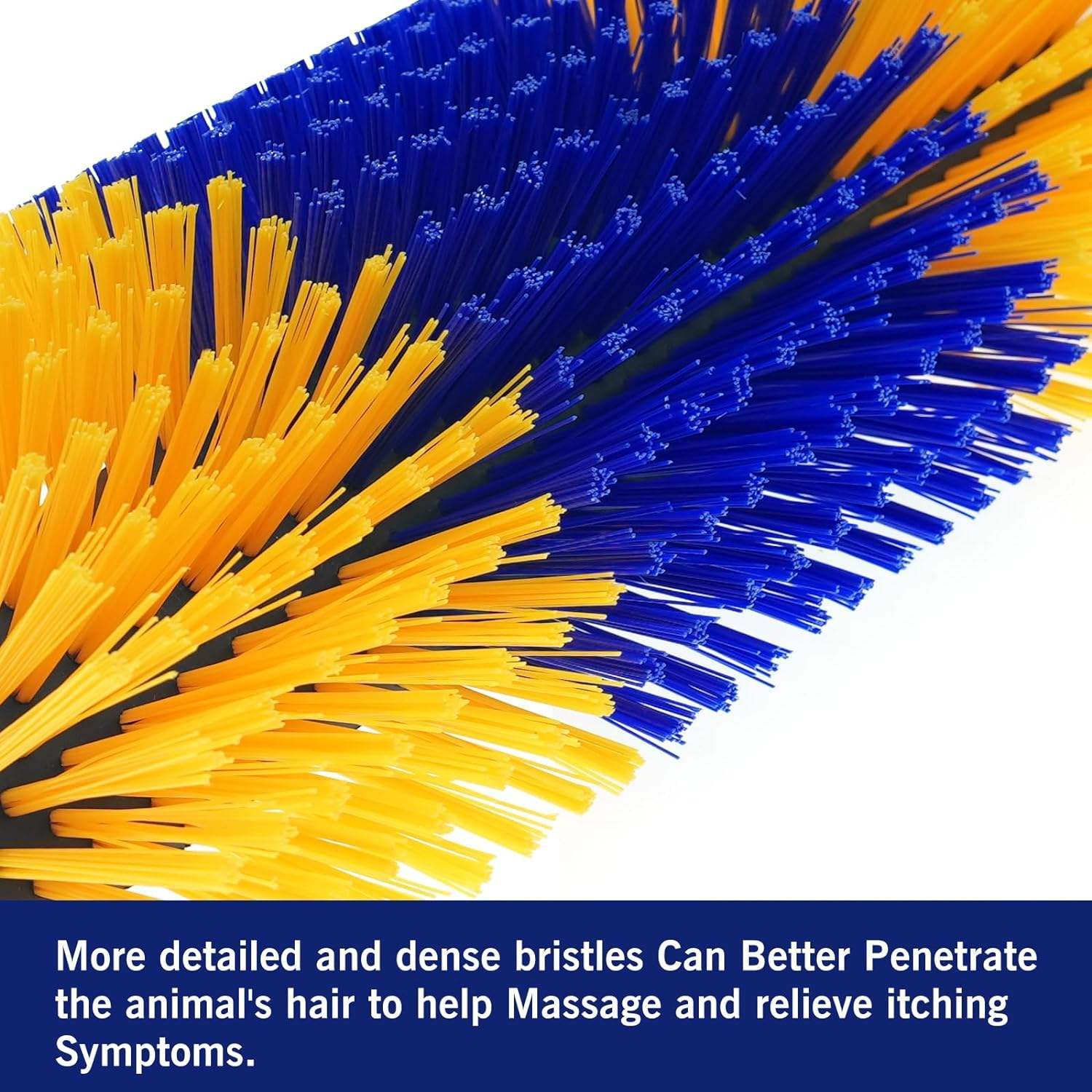
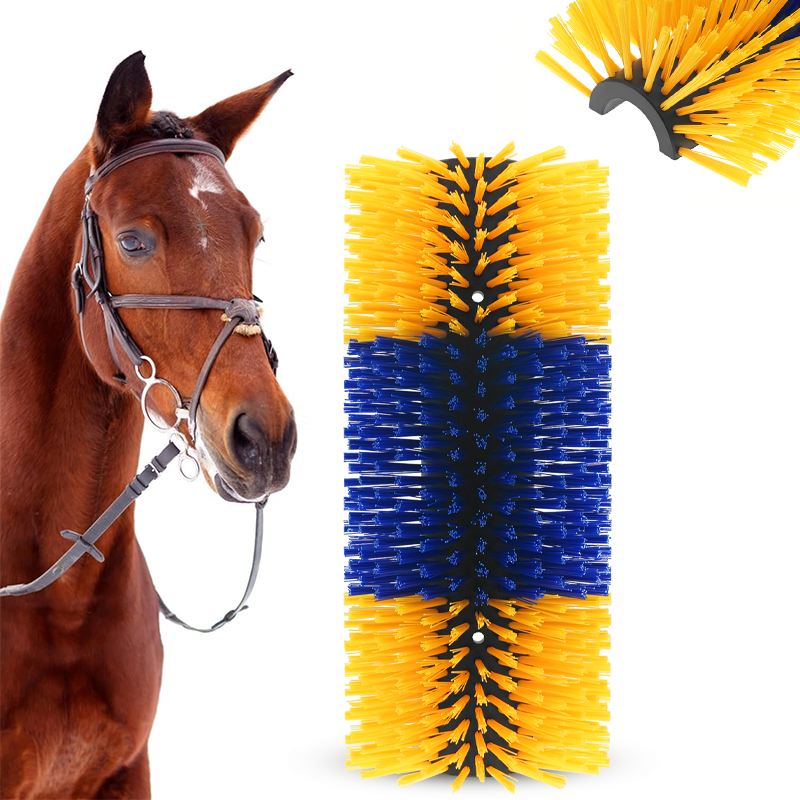
When it comes to grooming horses, one of the most important tools in your arsenal is the horse brush. A good brush not only helps keep your horse looking its best but also plays a vital role in their overall health. Grooming removes dirt, debris, and loose hair, which can prevent skin irritations and promote better circulation. Let's explore the different types of horse brushes and their specific functions to help you make an informed decision.
Horse brushes generally fall into several categories, each designed for particular tasks. The primary types of brushes include curry combs, stiff brushes, soft brushes, and finishing brushes.
1. **Curry Combs**: These are typically the first step in the grooming process. Made from rubber or plastic, curry combs are designed to loosen dirt and debris from the horse's coat. They feature a series of flexible teeth that stimulate the skin and promote blood circulation, aiding in healthy coat growth.
2. **Stiff Brushes**: Following the use of a curry comb, stiff brushes are employed to remove the dirt and hair that the curry comb has loosened. These brushes have bristles that are firm enough to tackle tough grime but gentle enough to avoid irritating the horse's skin. They are particularly effective for cleaning the legs and body of the horse.
3. **Soft Brushes**: After using the stiff brush, soft brushes come into play to give the horse a polished look. These brushes feature softer bristles that are perfect for sensitive areas like the face and lower legs. They help to remove any remaining dust and provide a finishing touch that leaves your horse looking sleek and shiny.
4. **Finishing Brushes**: These are the final touch in the grooming process. They are designed to smooth out the coat and give it a polished appearance. Finishing brushes can be used for light dusting and are particularly useful in preparing a horse for shows or other events.
When selecting horse brushes, consider the coat type of your horse. Different breeds have different hair textures, which may require specific types of brushes. Additionally, the grooming frequency and the environment in which your horse lives can also influence your choice of brushes. For example, horses that are often in muddy conditions may need more robust brushes to handle the extra dirt.
In conclusion, understanding the various types of horse brushes and their specific uses is essential for effective grooming. Regular grooming not only keeps your horse looking great but also contributes to their overall health and well-being. By choosing the right tools and techniques, you ensure that your horse remains comfortable and happy. Happy grooming!
Horse brushes generally fall into several categories, each designed for particular tasks. The primary types of brushes include curry combs, stiff brushes, soft brushes, and finishing brushes.
1. **Curry Combs**: These are typically the first step in the grooming process. Made from rubber or plastic, curry combs are designed to loosen dirt and debris from the horse's coat. They feature a series of flexible teeth that stimulate the skin and promote blood circulation, aiding in healthy coat growth.
2. **Stiff Brushes**: Following the use of a curry comb, stiff brushes are employed to remove the dirt and hair that the curry comb has loosened. These brushes have bristles that are firm enough to tackle tough grime but gentle enough to avoid irritating the horse's skin. They are particularly effective for cleaning the legs and body of the horse.
3. **Soft Brushes**: After using the stiff brush, soft brushes come into play to give the horse a polished look. These brushes feature softer bristles that are perfect for sensitive areas like the face and lower legs. They help to remove any remaining dust and provide a finishing touch that leaves your horse looking sleek and shiny.
4. **Finishing Brushes**: These are the final touch in the grooming process. They are designed to smooth out the coat and give it a polished appearance. Finishing brushes can be used for light dusting and are particularly useful in preparing a horse for shows or other events.
When selecting horse brushes, consider the coat type of your horse. Different breeds have different hair textures, which may require specific types of brushes. Additionally, the grooming frequency and the environment in which your horse lives can also influence your choice of brushes. For example, horses that are often in muddy conditions may need more robust brushes to handle the extra dirt.
In conclusion, understanding the various types of horse brushes and their specific uses is essential for effective grooming. Regular grooming not only keeps your horse looking great but also contributes to their overall health and well-being. By choosing the right tools and techniques, you ensure that your horse remains comfortable and happy. Happy grooming!
Hot Tags:
Contact Us
CEO: Alan
Email: alan@virostech.com
Phone: +86-15215693689
Sales Manager: Edith
Email: Edith@virostech.com
Phone: +86-15215693689
Lianxin Brush Industry
CEO : Alan
Sales Manager: Edith





REQUEST QUOTE
Please pay attention to your email.