Self-Producing Factory-Professional Manufacturer



Auto Wash Brush Techniques: Achieving a Spotless Finish with Ease
Jan 22,2026

Auto Wash Brush Techniques: Achieving a Spotless Finish with Ease
Table of Contents
- 1. Introduction to Auto Wash Brushes
- 2. Choosing the Right Auto Wash Brush for Your Needs
- 3. Understanding Washing Techniques for a Spotless Finish
- 4. Pre-Wash Preparation: Setting the Stage for Success
- 5. The Washing Process: Step-by-Step Guide to Using Auto Wash Brushes
- 6. Post-Wash Care: Ensuring Longevity and Shine
- 7. Common Mistakes to Avoid When Using Auto Wash Brushes
- 8. Frequently Asked Questions (FAQs)
- 9. Conclusion
1. Introduction to Auto Wash Brushes
The quest for a **spotless finish** on your vehicle starts with understanding the tools of the trade. Auto wash brushes are essential for maintaining your vehicle’s appearance and protecting its surface from dirt and grime. These brushes come in various shapes, sizes, and materials, each designed to tackle specific cleaning needs while enhancing the overall washing experience.
Utilizing the right techniques when using these brushes can make all the difference. This comprehensive guide will walk you through the best practices and tips for getting a spotless finish every time you wash your vehicle.
2. Choosing the Right Auto Wash Brush for Your Needs
Before diving into washing techniques, it’s crucial to select the appropriate brush. Here are some factors to consider:
Types of Auto Wash Brushes
- **Sponge Brushes**: Ideal for gentle washing, sponge brushes are soft and absorbent, making them perfect for delicate surfaces.
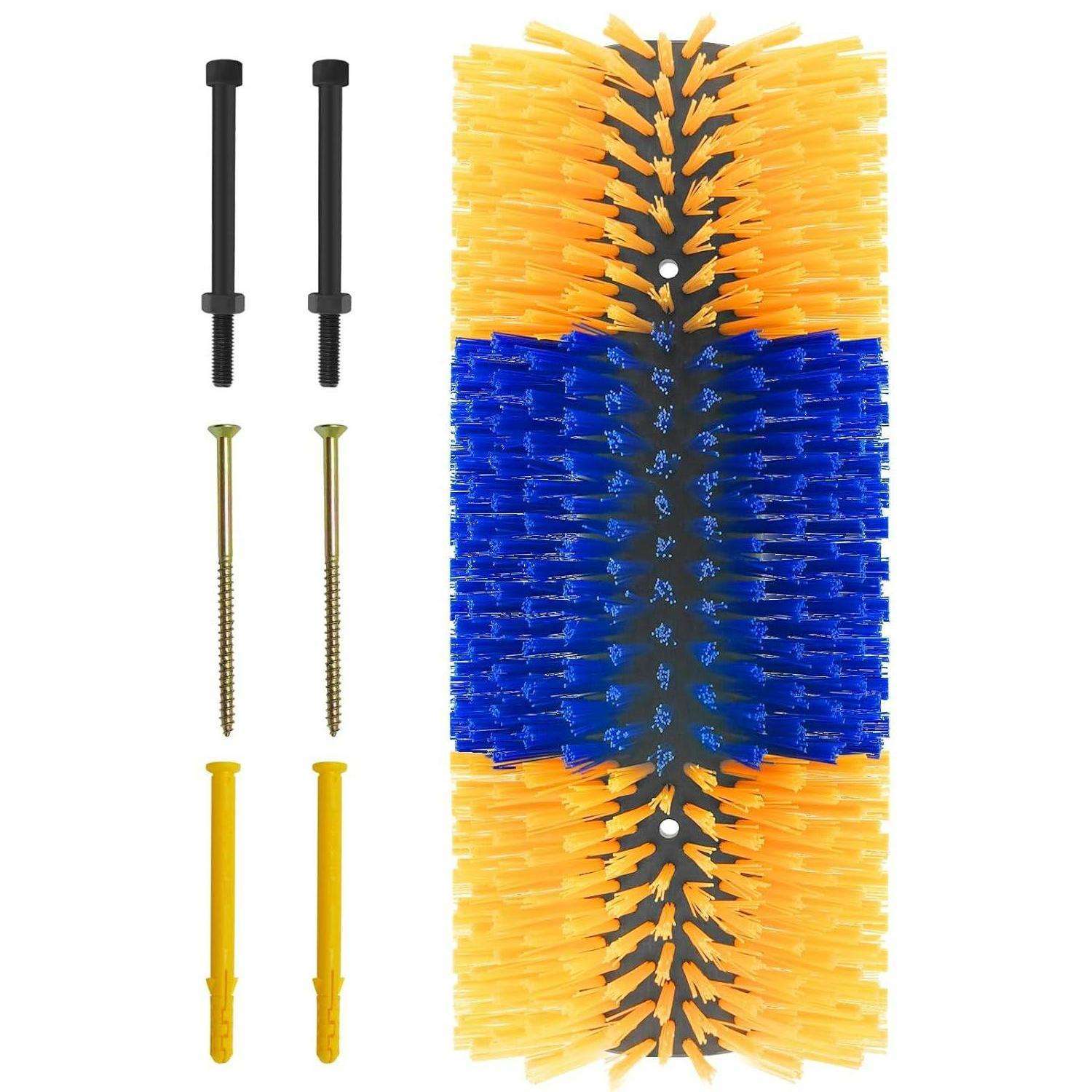
- **Bristle Brushes**: These brushes have stiff bristles, making them suitable for removing tough dirt and grime but may scratch soft surfaces if not used carefully.
- **Microfiber Brushes**: Combining softness and durability, microfiber brushes lift dirt away from the surface without scratching, making them a popular choice among car enthusiasts.
Brush Size and Handle Length
The size of the brush and the length of its handle can significantly affect your washing experience. A longer handle allows you to reach tough spots without straining your back, while a smaller brush may provide better control for detailed areas.
Safety and Material Considerations
Selecting brushes made from safe, non-abrasive materials is essential to prevent damage to your vehicle's paintwork. Look for brushes specifically designed for automotive use that feature soft, synthetic bristles.
3. Understanding Washing Techniques for a Spotless Finish
Using the right techniques is as important as choosing the right brush. Understanding how to use your brush effectively can enhance your vehicle's appearance and protect its surface.
The Two-Bucket Method
This method is essential for achieving a spotless finish. One bucket is filled with soapy water, while the other holds clean water for rinsing the brush. Always rinse the brush in the clean water before dipping it back into the soapy water. This helps prevent dirt from being reintroduced to the vehicle's surface, minimizing the risk of scratches.
Top-to-Bottom Washing
When washing your vehicle, start from the top and work your way down. This technique takes advantage of gravity, allowing dirt and grime to flow downward as you work. Additionally, this method reduces the chances of dirty water splashing onto already cleaned areas.
4. Pre-Wash Preparation: Setting the Stage for Success
Preparation is key to achieving a perfect wash. Below are steps to take before the actual washing process:
Gather Your Supplies
Ensure you have everything you need before starting. This includes your auto wash brush, a bucket, car soap, a hose, microfiber towels, and a drying cloth. Having your supplies organized will streamline the process and help you avoid interruptions.
Initial Rinse
Before applying soap, perform an initial rinse with water. This loosens dirt and debris, making it easier to clean the vehicle thoroughly. Focus on areas that typically accumulate more dirt, such as the wheel wells and lower panels.
5. The Washing Process: Step-by-Step Guide to Using Auto Wash Brushes
Now that your vehicle is prepped, it's time to get started. Follow these steps for an effective wash:
Step 1: Soak the Brush
Dip your brush into the soapy water and allow it to soak. This ensures that the soap penetrates the bristles, providing maximum cleaning power.
Step 2: Start Washing
Begin washing your vehicle from the roof down. Use gentle, circular motions to lift dirt and grime away from the surface. Be sure to apply even pressure to avoid scratches.
Step 3: Rinse Frequently
After washing a section, rinse the brush in the clean water bucket to remove any debris. After rinsing the brush, dip it back into the soapy water to continue cleaning.
Step 4: Clean Wheels and Tires Last
Wheels and tires often require more vigorous scrubbing due to brake dust and road grime. Save this step for last to avoid transferring dirt back onto the vehicle's body.
6. Post-Wash Care: Ensuring Longevity and Shine
Once the washing is complete, proper post-wash care ensures your vehicle looks great and remains protected.
Drying the Vehicle
Use a microfiber drying towel to soak up excess water. Start from the top and work your way down, ensuring you catch any drips or spots before they dry.
Applying Wax or Sealant
After drying, consider applying wax or a paint sealant for added protection. This step enhances shine and provides a barrier against dirt and environmental contaminants.
Regular Maintenance
Regularly washing your vehicle, ideally every two weeks, prevents dirt buildup and maintains a high-quality finish. Consistency is key to keeping your car looking its best.
7. Common Mistakes to Avoid When Using Auto Wash Brushes
To ensure the best results, be mindful of these common mistakes:
Using Dirty Brushes
Always use clean brushes. Using a dirty brush can scratch and damage the paint, ruining your hard work.
Applying Excessive Pressure
Avoid applying too much pressure when washing, as this can lead to scratches and swirl marks. Let the brush do the work instead.
Neglecting to Rinse the Vehicle
Failing to rinse the vehicle thoroughly can leave soap residue, leading to streaks and spots. Always rinse well after washing.
8. Frequently Asked Questions (FAQs)
Q1: How often should I wash my vehicle?
A1: Ideally, wash your vehicle every two weeks. Frequent washing helps maintain a clean appearance and protects the paint.
Q2: Can I use a regular brush instead of an auto wash brush?
A2: It’s not recommended. Regular brushes may scratch the vehicle's surface, whereas auto wash brushes are specifically designed to be gentle on paint.
Q3: What type of soap should I use for washing my vehicle?
A3: Use car-specific soap. Household cleaners can be harsh and strip protective wax coatings.
Q4: Is it better to wash my car in the sun or shade?
A4: Wash your car in the shade. Direct sunlight can cause soap to dry quickly, leaving spots and streaks.
Q5: How do I clean my auto wash brush after use?
A5: Rinse the brush thoroughly with clean water to remove soap and debris. Allow it to air dry before storing it to prevent mold and damage.
9. Conclusion
Achieving a spotless finish with auto wash brushes requires a combination of the right tools, effective techniques, and proper post-wash care. By following the tips outlined in this guide, you can enhance your vehicle's appearance while ensuring its longevity. Remember, consistency is key. With regular washing and care, your vehicle will always look its best. Implement these techniques today and enjoy the satisfaction of a perfectly clean car.
Hot Tags:

Contact Us
CEO: Alan
Email: alan@virostech.com
Phone: +86-15215693689
Sales Manager: Edith
Email: Edith@virostech.com
Phone: +86-15215693689
Lianxin Brush Industry
CEO : Alan
Sales Manager: Edith





REQUEST QUOTE
Please pay attention to your email.