Self-Producing Factory-Professional Manufacturer



Maximizing Performance: How to Maintain Your Industrial Brushes for Optimal Efficiency
Jan 10,2026
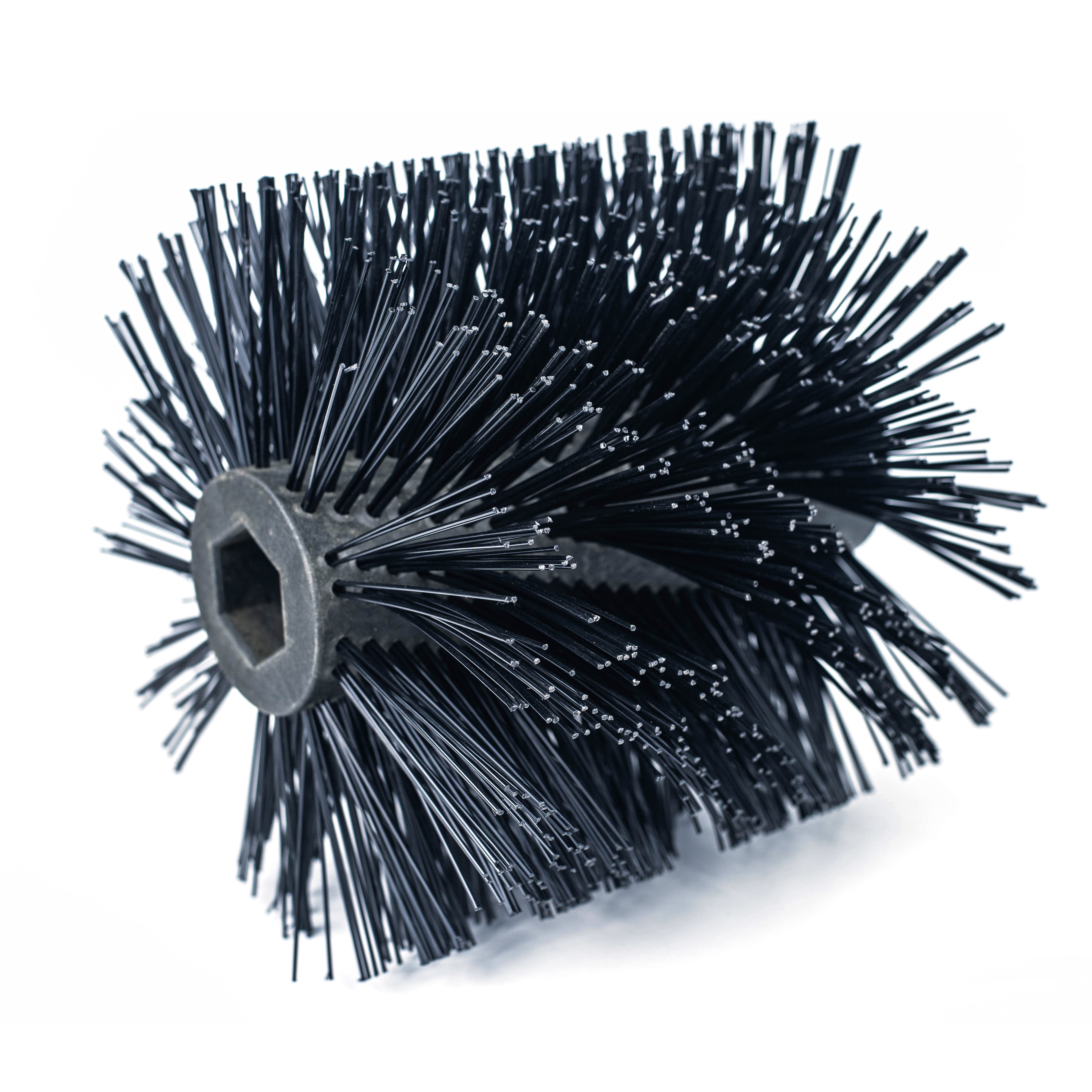
Maximizing Performance: How to Maintain Your Industrial Brushes for Optimal Efficiency
Table of Contents
1. Introduction to Industrial Brushes and Their Importance
2. Understanding Different Types of Industrial Brushes
3. Key Factors Affecting Brush Performance
3.1 Material Composition
3.2 Operating Conditions
3.3 Brush Size and Shape
4. Essential Maintenance Practices for Industrial Brushes
4.1 Regular Cleaning Techniques
4.2 Inspection and Quality Control
4.3 Proper Storage Guidelines
5. Troubleshooting Common Brush Issues
5.1 Wear and Tear
5.2 Clumping and Clogging
6. Advanced Techniques for Brush Longevity
6.1 Upgrading Brush Materials
6.2 Implementing Predictive Maintenance
7. The Role of Technology in Brush Maintenance
8. Frequently Asked Questions (FAQs)
9. Conclusion
1. Introduction to Industrial Brushes and Their Importance
Industrial brushes play a crucial role in various manufacturing processes. From cleaning surfaces to applying coatings, these brushes are essential in ensuring quality and efficiency in production. Given their significance, maintaining these brushes is not merely a matter of upkeep; it is a strategic move to enhance operational performance.
2. Understanding Different Types of Industrial Brushes
To maximize performance, it is vital to understand the types of industrial brushes used in different applications. They can be categorized into several types based on their construction and intended use.
2.1 Wire Brushes
Wire brushes are primarily used for heavy-duty cleaning tasks. They are effective in removing rust, paint, and other contaminants from surfaces.
2.2 Nylon Brushes
Nylon brushes are versatile and suitable for lighter tasks. They provide gentle cleaning without scratching surfaces, making them ideal for delicate components.
2.3 Roller and Wheel Brushes
These brushes are designed for specific applications such as deburring and polishing. They work effectively in automated setups for consistency and quality.
3. Key Factors Affecting Brush Performance
Several crucial factors can significantly impact the performance of industrial brushes. Understanding these factors allows for informed maintenance strategies.
3.1 Material Composition
The materials used in the construction of brushes can affect their durability and effectiveness. Different applications may require different brush materials, such as steel, brass, or synthetic fibers.
3.2 Operating Conditions
Brushes are often subjected to various environmental conditions, including temperature fluctuations and exposure to chemicals. These conditions can influence the longevity of the brushes and should be monitored regularly.
3.3 Brush Size and Shape
Selecting the right size and shape is crucial for optimal performance. Brushes that are too large or too small can lead to inefficiencies and increased wear.
4. Essential Maintenance Practices for Industrial Brushes
Implementing regular maintenance practices can significantly enhance the lifespan and performance of industrial brushes. Here are some essential techniques.
4.1 Regular Cleaning Techniques
Cleaning brushes regularly helps prevent the buildup of debris and materials that can hinder performance. Use appropriate cleaning agents for different brush types, and ensure that brushes are thoroughly dried after cleaning to prevent rust and corrosion.
4.2 Inspection and Quality Control
Routine inspection of brushes allows for early detection of wear and damage. Develop a checklist for quality control that includes checking for bristle integrity, signs of excessive wear, and overall brush functionality.
4.3 Proper Storage Guidelines
Storing brushes in a clean, dry environment can prevent damage and prolong their lifespan. Avoid placing heavy objects on top of brushes to maintain their shape and effectiveness.
5. Troubleshooting Common Brush Issues
Even with diligent maintenance, issues can arise. Understanding common problems can help in quickly addressing them.
5.1 Wear and Tear
Wear and tear is inevitable over time. Monitor the brushes for signs of bristle loss or deformation and replace them as needed to maintain performance.
5.2 Clumping and Clogging
Clumping can occur when debris accumulates on the brush. Regular cleaning and periodic inspections can help prevent this issue from affecting performance.
6. Advanced Techniques for Brush Longevity
In addition to basic maintenance, advanced techniques can further enhance the longevity and performance of industrial brushes.
6.1 Upgrading Brush Materials
Consider upgrading to higher-quality materials that offer better resistance to wear, heat, and chemicals. Advanced materials can significantly enhance performance and durability.
6.2 Implementing Predictive Maintenance
Utilizing predictive maintenance strategies can help in forecasting when maintenance is needed, thereby avoiding unexpected failures. This approach can save time and reduce costs.
7. The Role of Technology in Brush Maintenance
Technology plays an integral role in optimizing brush maintenance. From sensors that monitor wear to software that tracks maintenance schedules, leveraging technology can lead to more efficient processes.
8. Frequently Asked Questions (FAQs)
What are the signs that my industrial brushes need replacement?
Look for signs of excessive wear, loss of bristles, or deformation. If the brush no longer performs effectively, it may need to be replaced.
How often should I clean my industrial brushes?
Regular cleaning should be conducted after each use, while deeper cleaning and inspection should occur periodically based on usage frequency.
Can I use any cleaning solution for my brushes?
No, it's essential to use cleaning solutions appropriate for the specific brush material to avoid damage.
What storage conditions are best for industrial brushes?
Store brushes in a clean, dry environment away from direct sunlight and heavy objects to maintain their shape and effectiveness.
How do I know which brush type to use for my application?
Consider the material being worked on, the type of cleaning or application required, and consult manufacturer guidelines for recommendations.
9. Conclusion
Maintaining industrial brushes is crucial for maximizing their performance and ensuring the efficiency of manufacturing processes. By understanding the different types of brushes, implementing essential maintenance practices, and leveraging advanced techniques and technology, industries can significantly enhance productivity and reduce costs. Regular attention to these facets not only extends the lifespan of brushes but also contributes to overall operational success. Investing time and resources in maintenance can yield significant returns, ensuring that your industrial brushes operate at peak efficiency.
Hot Tags:


Contact Us
CEO: Alan
Email: alan@virostech.com
Phone: +86-15215693689
Sales Manager: Edith
Email: Edith@virostech.com
Phone: +86-15215693689
Lianxin Brush Industry
CEO : Alan
Sales Manager: Edith





REQUEST QUOTE
Please pay attention to your email.